HomeCategory

AI in Regulated Industries

Explainability and Transparency:  The Right to Understand AI Decisions

The Explainability Imperative Explainability — the capacity to provide a meaningful account of why an AI system produced a specific output — is one of the most contested and commercially consequential dimensions of AI governance. It creates tension between the opacity of high-performing machine learning models (the ‘black box’ problem) and the legitimate expectations of...

Bias, Fairness & the Duty of Non-Discrimination:  Governing AI Equity in the Caribbean Enterprise

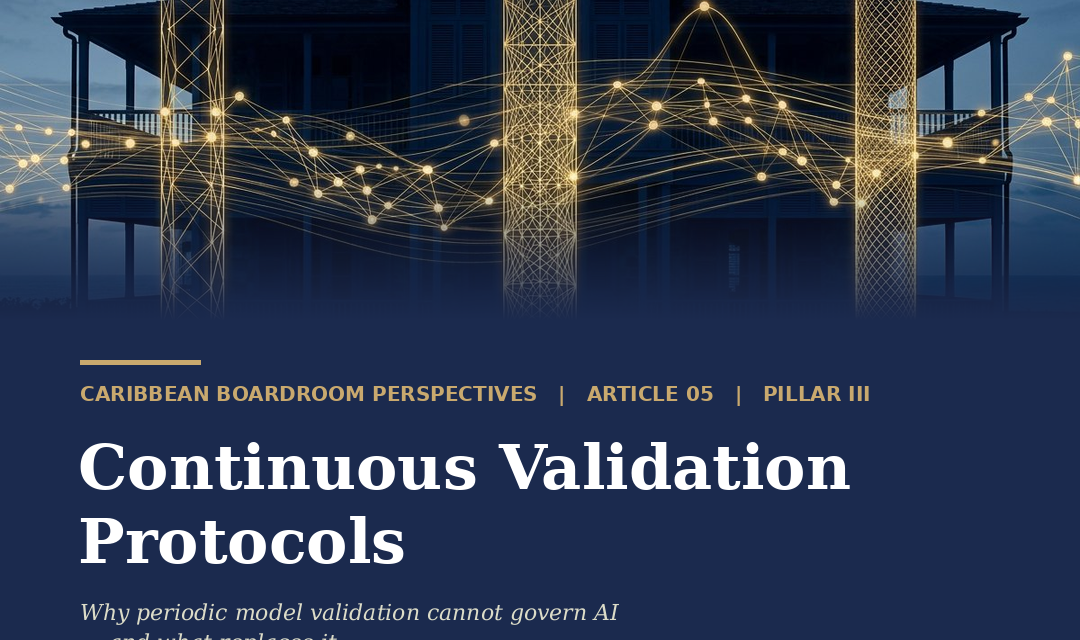
  The Bias Problem Is Not a Technical Problem When discussions of AI bias arise in boardrooms, they are often quickly handed to technical teams with a mandate to ‘fix it’. This reflects a fundamental misunderstanding. AI bias is not primarily a technical problem — it is a governance problem that has technical manifestations. It...

Auditing the Algorithm: What AI Assurance Looks Like in Practice

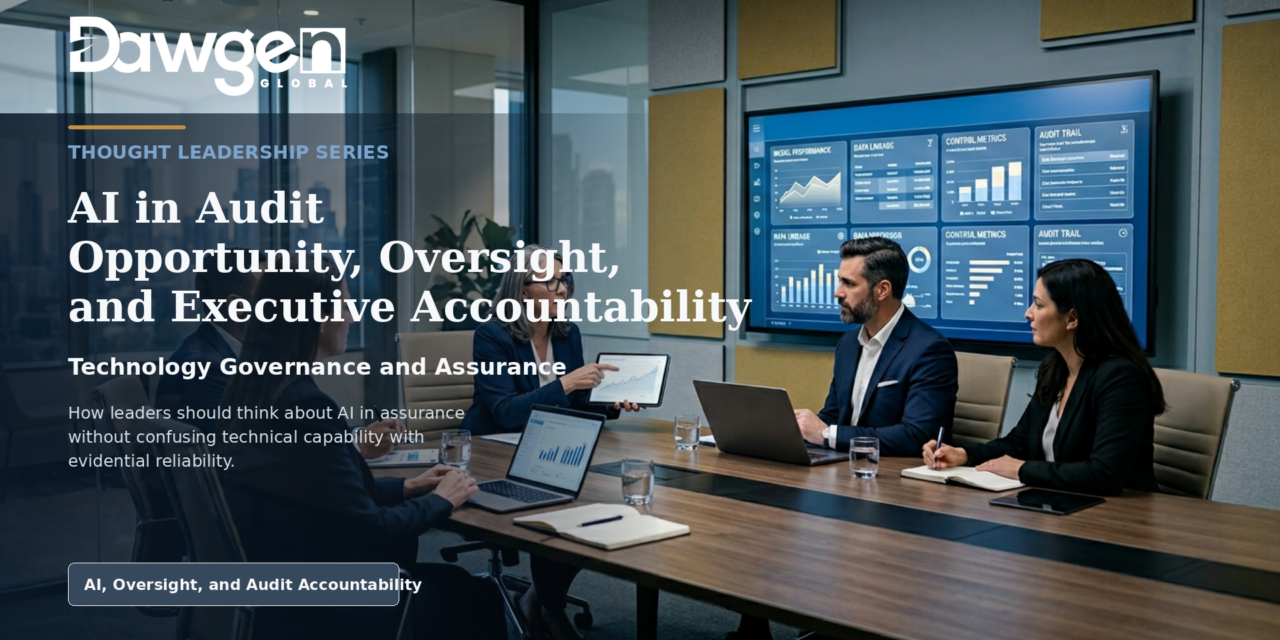
Beyond Traditional IT Audit Many Caribbean internal audit functions have responded to the AI governance imperative by extending their existing IT audit methodology to cover AI systems. While this is a reasonable starting point, it is insufficient. AI systems present audit challenges that traditional IT audit is not designed to address: statistical model behaviour, training...

AI Risk Classification: Governing by Consequence, Not by Technology

The Case for Risk-Proportionate Governance One of the most common governance errors Caribbean enterprises make when building AI oversight frameworks is applying uniform governance requirements across all AI systems regardless of their risk profile. This approach is simultaneously too burdensome for low-risk applications and dangerously inadequate for high-risk ones. It produces compliance theatre — the...

Algorithmic Accountability: Who Answers When AI Gets It Wrong?

The Accountability Vacuum When an AI-driven loan origination system denies credit to a qualified applicant due to a biased training dataset, who is responsible? When an AI recruitment screener systematically filters out candidates from a particular demographic, who is accountable? When an autonomous pricing algorithm produces outputs that harm consumers or distort a market, who...

The AI Governance Stack:  Principles, Policies, and Procedures for Caribbean Boards

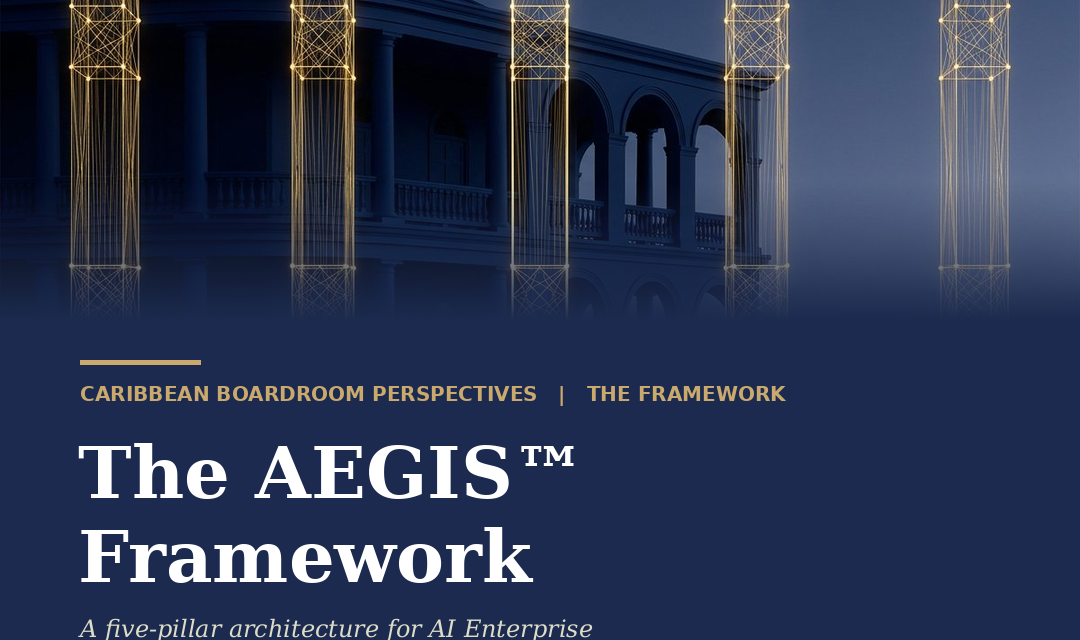
Why Architecture Matters Many Caribbean enterprises have responded to AI governance pressure by publishing a values statement or appointing a digital ethics champion. These are useful signals of intent, but they are not governance. Governance requires architecture — a layered, interlocking set of principles, policies, procedures, roles, and controls that together create the institutional conditions...

From Automation to Accountability: Why AI Governance Is the Boardroom’s Newest Imperative

The Governance Deficit at the Heart of Enterprise AI For much of the past decade, the dominant narrative around artificial intelligence in business has been one of possibility — what AI can automate, optimise, predict, and create. Boards across the Caribbean and beyond have enthusiastically greenlit AI initiatives, often without an equally disciplined conversation about...

AI for the Mid-Market: A Practical Guide for Caribbean Enterprises That Are Not Google

  The CEO Who Returned from a Conference Convinced He Needed AI The CEO of a Caribbean insurance company returned from an industry conference in Miami with a conviction and a problem. The conviction was that artificial intelligence would transform the insurance industry and that his company needed to adopt it or risk obsolescence. The...

Proving Your Worth:  The CFO-Ready Business Case for Internal Audit Transformation

  The Conversation That Changes Everything Every Chief Audit Executive will, at some point in their career, face a version of the following question from their CFO: “You’re asking me to increase the audit budget by twenty percent. Tell me exactly what the organization gets in return.” For most CAEs, this is the most uncomfortable...

Risk Discipline — Turning AI Ambition into Controlled Advantage (Dawgen TRUST™ Framework)

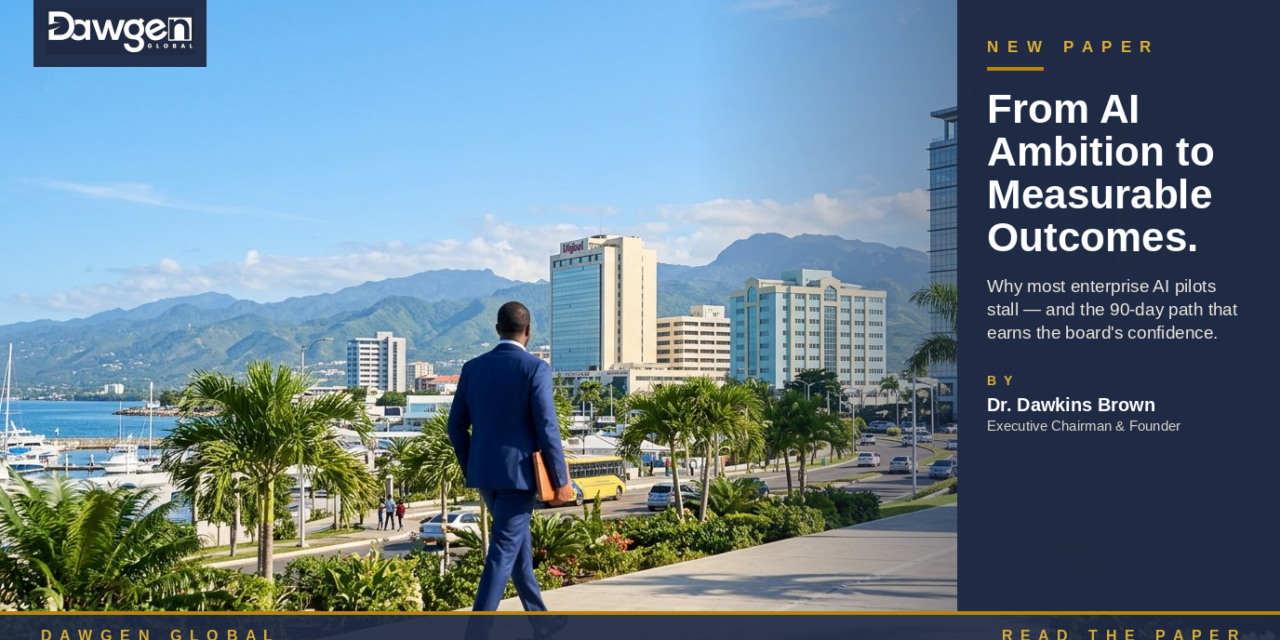
Executive Summary Most AI failures are not “model problems”—they are risk discipline failures: unclear risk appetite, weak controls, poor monitoring, and no escalation path when things go wrong. As organisations move from pilots to production (and from copilots to agents), leaders must treat AI risk like any other enterprise risk: identified, assessed, controlled, monitored, tested,...

https://www.dawgen.global/wp-content/uploads/2023/07/Foo-WLogo.png

Dawgen Global is an integrated multidisciplinary professional service firm in the Caribbean Region. We are integrated as one Regional firm and provide several professional services including: audit,accounting ,tax,IT,Risk, HR,Performance, M&A,corporate recovery and other advisory services

Where to find us?
https://www.dawgen.global/wp-content/uploads/2019/04/img-footer-map.png
Dawgen Social links
Taking seamless key performance indicators offline to maximise the long tail.
https://www.dawgen.global/wp-content/uploads/2023/07/Foo-WLogo.png

Dawgen Global is an integrated multidisciplinary professional service firm in the Caribbean Region. We are integrated as one Regional firm and provide several professional services including: audit,accounting ,tax,IT,Risk, HR,Performance, M&A,corporate recovery and other advisory services

Where to find us?
https://www.dawgen.global/wp-content/uploads/2019/04/img-footer-map.png
Dawgen Social links
Taking seamless key performance indicators offline to maximise the long tail.

© 2023 Copyright Dawgen Global. All rights reserved.

© 2024 Copyright Dawgen Global. All rights reserved.