
When ransomware strikes, a mailbox is compromised or an insider misuses data, the decisions made in the first few hours determine how much is lost, how quickly operations resume and whether evidence survives. Here is what leaders need to know before the call comes.
Dawgen Global illustration
The call usually comes at an inconvenient time. A staff member cannot open files and sees a ransom note. The bank queries a large payment to an unfamiliar account. A customer reports that their personal data is circulating online. An employee who has just resigned is found to have copied a client database.
In that moment, leaders face a series of urgent decisions. Should we switch everything off? Should we restore from backup? Who do we tell, and when? Should we contact the police, the regulator, our insurer, our customers? Is the attacker still inside?
The answers to these questions, made in the first few hours, often determine the outcome more than anything that follows. This article explains what good incident response looks like, why digital forensics matters, and how Caribbean organisations can prepare before the call comes.
Why the first hours matter
Cyber incidents unfold quickly, and early mistakes are hard to undo. Three common reactions illustrate the point.
The first is switching everything off. It feels like the safe choice, but powering down systems can destroy evidence held in memory, including clues about how the attacker got in and what they did. In some cases, isolating systems from the network while keeping them running is the better option.
The second is restoring from backup immediately. Getting back to business is the priority, but restoring before understanding the attack can reintroduce the same malware or leave the attacker’s access in place. Organisations have been hit a second time within days for exactly this reason.
The third is trying to investigate internally without the right tools or methods. Well-meaning IT staff can unintentionally alter or overwrite evidence, making it harder to support an insurance claim, a regulatory report or legal action.
| A well-run investigation answers four questions: how they got in, what they did, what was taken and how to stop it happening again. |
What incident response involves
Incident response is the structured process of containing an attack, removing the attacker, restoring operations and learning from what happened. A recognised approach organises it into three phases.
Prepare. Before any incident, organisations agree an incident response plan, roles and decision rights, contact lists, communication templates and an external response provider. Preparation is what makes the other phases faster and calmer.
Respond. When an incident occurs, responders assess the situation, contain the threat by isolating affected systems and disabling compromised accounts, identify the method of attack, remove malicious code and close the weakness that was exploited.
Follow up. After the immediate threat is dealt with, the organisation investigates the root cause, confirms what data was affected, completes reporting obligations and improves controls so the same attack cannot succeed again.
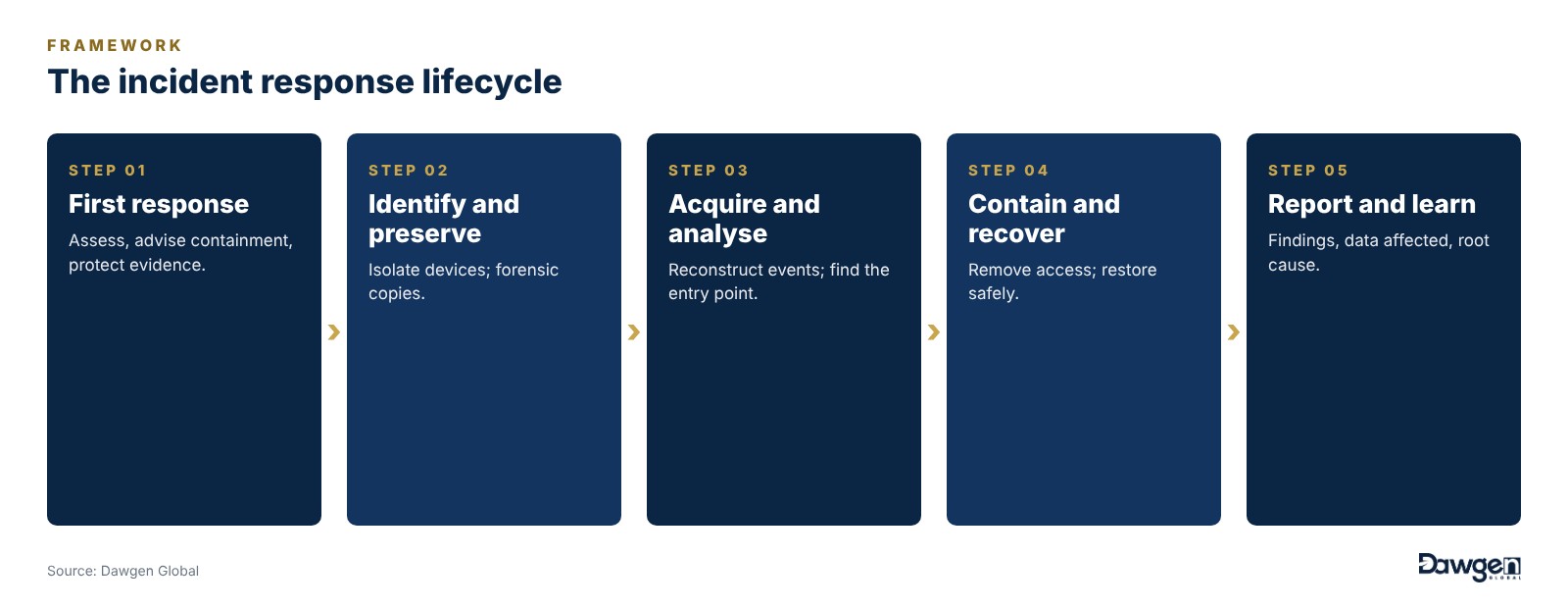
Figure 1. The incident response lifecycle
Where digital forensics fits
Digital forensics is the recovery and analysis of evidence from computers, servers, mobile devices, cloud services and networks. It turns technical traces into facts that can be relied upon.
Forensic investigators follow a disciplined sequence. They identify where relevant evidence is stored. They preserve it by isolating and securing data so it cannot be altered, using forensic copies rather than working on original devices. They analyse the evidence to reconstruct events, recover deleted files and trace the attacker’s actions. They document every step, maintaining a chain of custody. Finally, they present their findings in a clear report and, where necessary, as expert evidence.
This discipline matters because many incidents end up in front of someone who needs proof: an insurer assessing a claim, a regulator reviewing a breach report, a card scheme investigating compromised card data, an employment tribunal hearing a dismissal case or a court considering criminal or civil action.
Common incidents in the region
Caribbean organisations face the same types of incident as organisations elsewhere, with some local patterns.
- Business email compromise. Attackers take over or imitate a mailbox and send fake payment instructions to finance teams, suppliers or customers. Losses can be large, and funds are hard to recover once they leave the banking system.
- Attackers encrypt systems and, increasingly, steal data first and threaten to publish it. Public services, utilities and private companies in the region have all been affected.
- Insider misconduct. Departing employees copy customer lists, pricing data or confidential files, or staff misuse access to personal information.
- Account takeover and unauthorised access. Stolen or reused passwords give attackers access to cloud email, file storage or remote access systems.
- Website compromise. Attackers deface websites, insert malicious code or use them to steal payment card data.
Reporting obligations
Incidents involving personal data can trigger legal duties. Data protection laws in several Caribbean territories, including Jamaica’s Data Protection Act, require organisations to manage breaches of personal data and, in certain circumstances, notify the regulator and affected individuals. Financial regulators, card schemes and cyber insurers have their own reporting requirements and timelines.
Meeting these obligations depends on accurate facts: what happened, when, which data was affected and how many people were involved. A forensic investigation provides those facts. Guesswork can lead to under-reporting, which creates legal risk, or over-reporting, which causes unnecessary alarm.
The value of an incident response retainer
When an incident strikes, time spent finding a provider, agreeing terms and explaining your environment is time the attacker uses. An incident response retainer removes that delay.
A retainer agrees response times, contact routes and engagement terms in advance. Responders can begin work immediately, remotely or on site. Many retainers also allow unused hours to be applied to readiness work such as plan reviews, tabletop exercises and threat briefings, so the investment delivers value even in a quiet year.
Cyber insurers often require or favour a named incident response provider, and a retainer satisfies that requirement.
Preparing before the call
Preparation does not need to be complicated. The self-assessment below highlights the basics that make the biggest difference when an incident occurs.
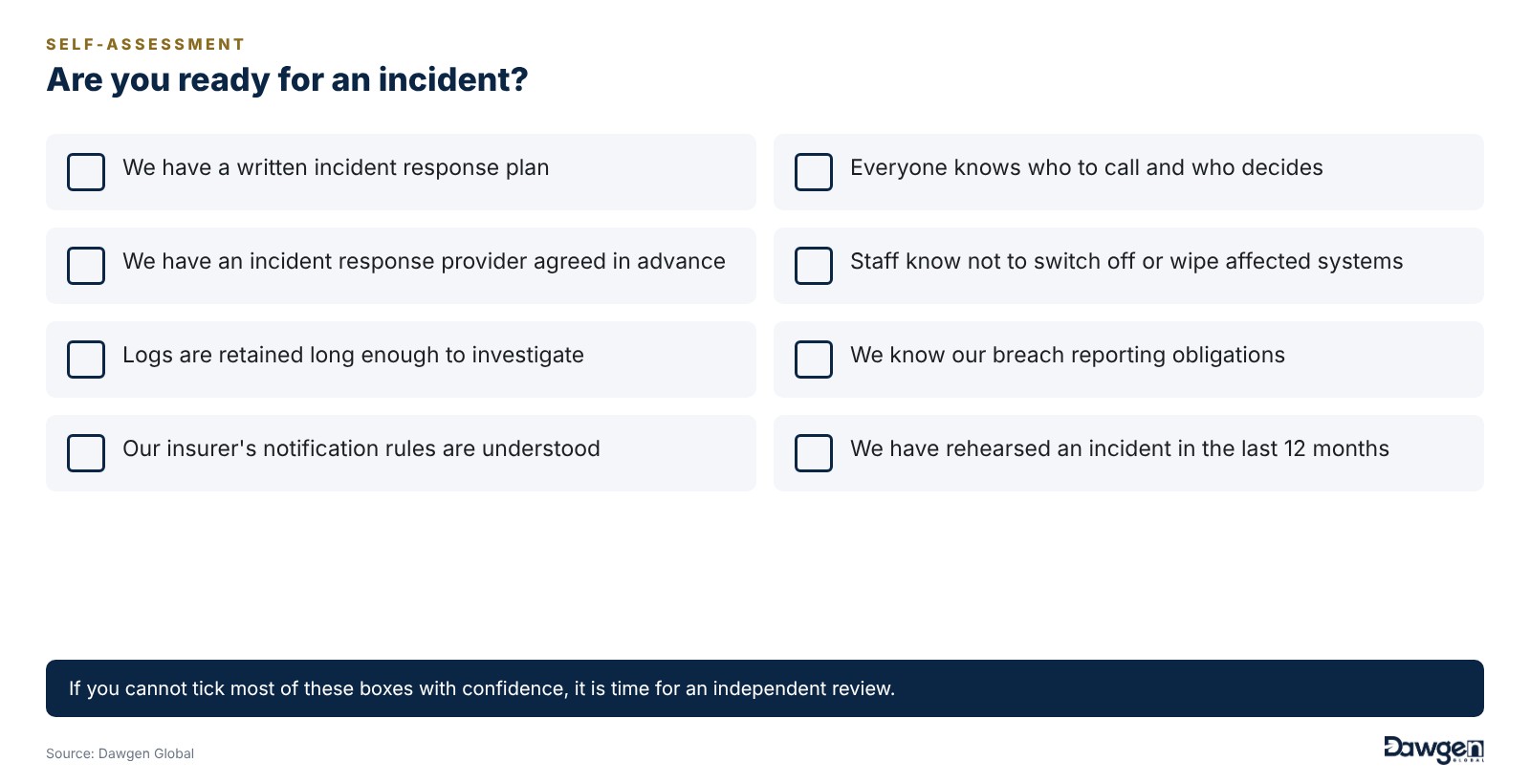
Figure 2. Are you ready for an incident?
Several practical steps stand out:
- Write a short incident response plan that names the decision-makers, the external provider, legal and communications contacts, and the first actions to take.
- Tell staff what not to do. A simple instruction not to switch off, wipe or restore affected systems until advised can preserve vital evidence.
- Keep logs long enough. Many investigations are hampered because email, firewall and server logs were only kept for a few days.
- Understand your insurance policy. Know the notification deadlines and whether you must use approved providers.
- A two-hour tabletop exercise with the leadership team reveals gaps in plans and roles before a real incident does.
When fraud and cyber meet
Many incidents sit at the boundary between cyber attack and financial fraud. A fake payment instruction may start with a compromised mailbox. A data theft may be linked to an insider with a financial motive. The most effective investigations combine digital forensic skills with forensic accounting and an understanding of how money moves. Organisations benefit from advisers who can follow both the technical trail and the financial one.
A composite case: the invoice that was not what it seemed
Consider a scenario that reflects incidents seen across the region. A distribution company’s finance team receives an email, apparently from a long-standing supplier, advising that the supplier’s bank details have changed. The email uses the correct names, refers to a real outstanding invoice and arrives in the middle of an existing email thread. The payment is made.
Two weeks later, the real supplier asks why it has not been paid. Panic follows. The company’s first instinct is to blame the supplier’s systems. A forensic investigation tells a different story. One of the company’s own staff mailboxes had been accessed weeks earlier using a password exposed in an unrelated breach. The attacker had read months of correspondence, identified the supplier relationship and created a hidden rule to divert replies. The fake email had been sent from a look-alike domain, carefully timed to arrive within the real conversation.
Because the investigation preserved the evidence properly, the company was able to give its bank, its insurer and the police a clear timeline. Part of the funds were recovered, the insurance claim was accepted and the company enforced multi-factor authentication on every mailbox. Without that evidence, the claim and the recovery would have been far harder.
Working with insurers, lawyers and regulators
A serious incident rarely involves only the technical team. Responders typically work alongside several other parties, and understanding their roles avoids delay.
Insurers may need to be notified within a short period and may require the use of approved responders. Early notification protects the claim.
Legal counsel advises on regulatory obligations, contractual duties to customers and partners, and how investigation findings are documented and shared. In some situations, investigations are carried out at the direction of counsel.
Regulators and data protection authorities may need to be informed where personal data or regulated services are affected. Accurate, timely facts help organisations meet these obligations without overstating or understating the impact.
Banks and card schemes need to be contacted immediately where payments or card data are involved. Speed can make the difference in recovering funds.
Law enforcement may become involved where crimes have been committed. Properly preserved evidence supports any criminal investigation.
Myths that slow the response
“We can handle it ourselves.” IT teams play a vital role, but forensic investigation requires specialist tools, methods and independence, particularly when evidence may be tested by insurers, regulators or courts.
“Restoring backups fixes everything.” Restoring without understanding how the attacker got in can reintroduce the same weakness, sometimes within days.
“Calling for help will make it public.” Engaging an incident response provider is confidential. Decisions about notification are made carefully, with legal advice, based on the facts the investigation establishes.
Conclusion
No organisation can guarantee it will never suffer a cyber incident. Every organisation can decide how prepared it will be when one occurs. The first hours decide whether an incident becomes a manageable disruption or a prolonged crisis, and whether the evidence needed for insurance, regulators and the courts survives.
Calling for expert help early is not an admission of failure. It is the fastest route to containment, recovery and credible answers. The best time to arrange that help is before you need it.
| TAKE THE NEXT STEP
Have help on call before you need it. Our Digital Forensics & Incident Response brochure explains how we contain attacks, preserve evidence and report findings, and how an incident response retainer gives you agreed response times. Read the brochure: Digital Forensics & Incident Response — https://www.dawgen.global/service-brochure/dfir/ Talk to us: Request an incident response retainer proposal. In an active incident, contact us immediately. Write to info@dawgen.global, or to your territory desk at territory@dawgen.com. |
About Dawgen Global
Dawgen Global is an independent, integrated multidisciplinary professional services firm headquartered at 47 Trinidad Terrace, New Kingston, Jamaica, serving 35 territories across the Caribbean. Founded and led by Dr. Dawkins Brown, Executive Chairman, the firm is independent and not affiliated with any international network. It delivers a full suite of professional services under one roof: audit and assurance; tax advisory; IT and digital transformation; risk management; cybersecurity; actuarial and insurance regulatory advisory; HR advisory; mergers and acquisitions; corporate recovery; business advisory and strategy; accounting BPO and virtual CFO services; and legal process outsourcing.
The proposition is simple: big-firm capability without the big-firm price. Dawgen Global’s integrated approach is built for the specific complexities and opportunities of the Caribbean market, helping organizations make sharper, better-informed decisions that drive measurable progress.
To explore a partnership, reach out:
- Website: dawgen.global
- Email: info@dawgen.global
- WhatsApp (Global): +1 555-795-9071
- Caribbean offices: +1 876-665-5926 | +1 876-929-3670 | +1 876-926-5210
Related service: Explore how we can help →