
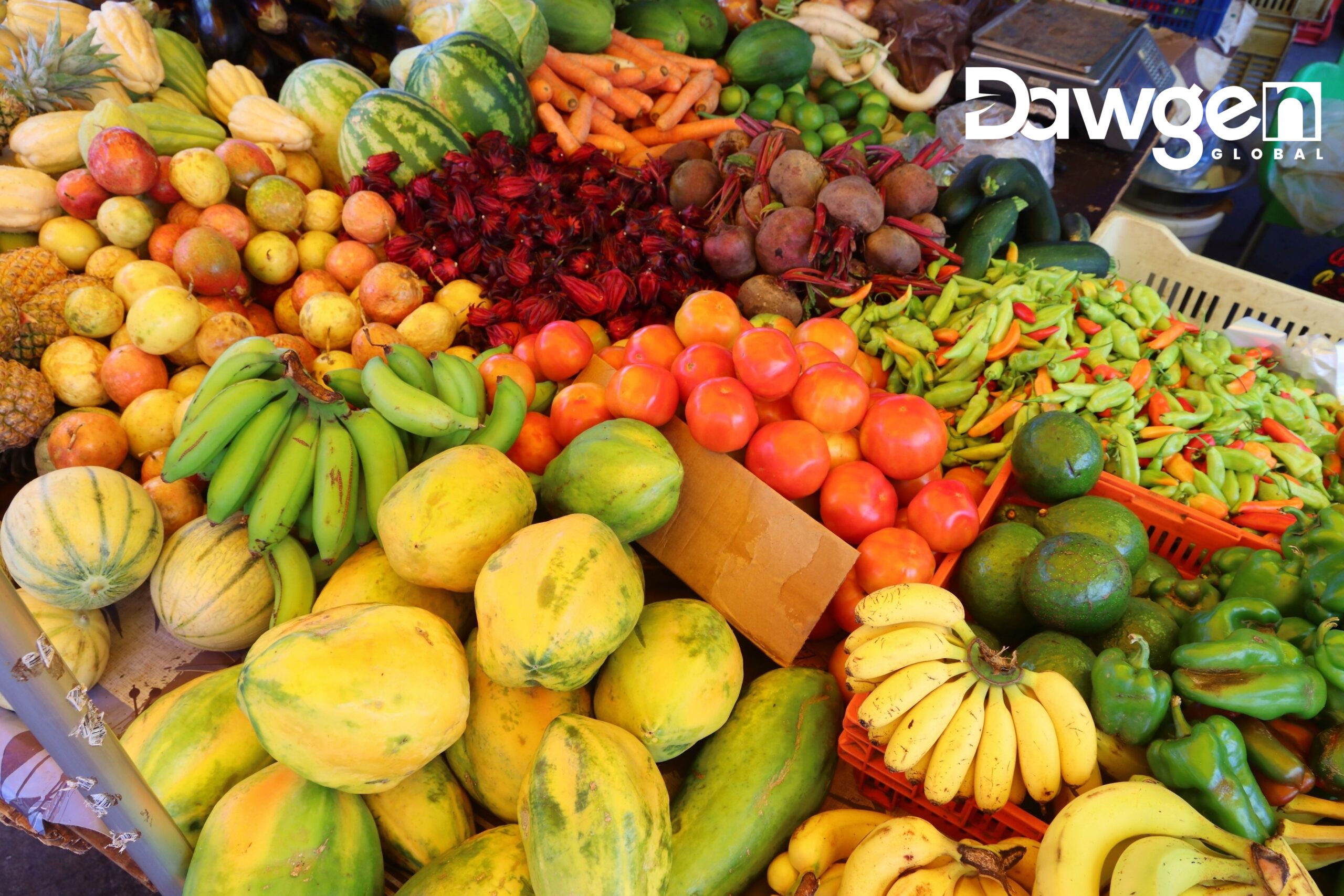
Agriculture and agribusiness sit at the intersection of food security, rural livelihoods and export earnings in Jamaica, the wider Caribbean and Latin America & the Caribbean (LAC). From sugar, bananas and coffee to poultry, livestock, fresh produce, spices, agro-processing and input supply, the sector is both strategic and vulnerable.
For governments, lenders, family owners and strategic investors, a persistent question arises:
“What is this farm, agro-processing plant or integrated agribusiness really worth?”
The answer is rarely simple.
Agricultural and agribusiness entities are exposed to:
-
Climate and weather volatility
-
Price swings in global commodity markets
-
Pests, disease and biosafety risks
-
Land tenure and infrastructure challenges
-
FX and input cost shocks (fertiliser, feed, fuel, packaging)
-
Demand fluctuations from hotels, supermarkets and export markets
Traditional shortcuts – applying a basic EBITDA multiple or valuing land and buildings at replacement cost – often understate or misrepresent the true risk–return profile of agribusiness investments.
To address this, Dawgen Global has developed Dawgen CARI-VAL Agri™, a sector-specific adaptation of our broader Dawgen CARI-VAL™ Sector Valuation Series. It is designed to value:
-
Primary production (crop farms, livestock, poultry, fisheries, aquaculture)
-
Agro-processing and value-added food and beverage operations
-
Seed, feed, fertiliser and input suppliers
-
Integrated agribusiness groups (farm + processing + distribution)
-
Contract farming and out-grower models
with a clear focus on Caribbean and LAC realities.
This article explains the Dawgen CARI-VAL Agri™ framework and how it supports robust, decision-ready valuations across the agri-food value chain.
1. Why Agriculture & Agribusiness Valuation Is Different
Agriculture is not just another “factory with fields”. Several features make valuation uniquely challenging:
-
Biological and seasonal cycles
Production depends on weather, soils, water, disease pressure and biological growth cycles. Annual yields can fluctuate significantly even when management is sound. -
Price and market volatility
Many commodities (sugar, coffee, cocoa, grains, meat) are influenced by global prices, while local fresh produce is affected by seasonality, imports, tourism and supermarket procurement policies. -
Asset mix: land, biological assets, and processing
Agribusiness combines:-
Land and water rights
-
Biological assets (crops in the ground, livestock, orchards)
-
Fixed assets (barns, greenhouses, cold storage, processing and packaging plants)
-
Intangible assets (brands, certifications, buyer contracts, know-how)
-
-
High exposure to climate and biosafety risk
Hurricanes, droughts, floods, pests and diseases can quickly disrupt output and cash flow. Climate change is altering risk profiles for many crops and production systems. -
Policy, concession and value-chain dependencies
Incentives, tariffs, phytosanitary rules, import competition and the behaviour of powerful buyers (supermarkets, hotel groups, exporters) all shape profitability and risk.
A robust valuation must therefore combine technical agronomy and livestock insight, value chain economics, climate risk and financial analysis – not just last year’s profits.
That is the purpose of Dawgen CARI-VAL Agri™.
2. The Dawgen CARI-VAL Agri™ Framework
The CARI-VAL family is built around seven pillars:
-
C – Context & Cycle
-
A – Assets & Advantage
-
R – Risks, Regulation & Resilience
-
I – Intangibles, Innovation & Inclusion
-
V – Value Drivers & Financial Engine
-
A – Alternative Scenarios & Stress Tests
-
L – Liquidity, Listings & Exit
For agriculture and agribusiness, we adapt this into Dawgen CARI-VAL Agri™, using sector-specific lenses and metrics at each step.
3. C – Context & Cycle: Where Does the Agribusiness Compete?
Valuation starts with understanding the environment in which crops are grown and food is produced.
3.1 Agro-Ecological and Climate Context
We assess:
-
Climate patterns (rainfall distribution, temperature, hurricane incidence, drought risk)
-
Soil types, water availability and irrigation infrastructure
-
Topography and vulnerability to erosion and flooding
Different agro-ecological zones favour different crops and livestock systems. The fit between the business model and its environment is central to value.
3.2 Market and Demand Context
We examine:
-
End markets: domestic consumers, hotels and restaurants, agro-processors, export buyers
-
Tourism and hospitality demand (for fresh produce, meat, beverages, specialty items)
-
Import competition vs local substitution opportunities
-
Participation in regional and global value chains (CARICOM, LAC, niche exports)
A poultry integrator supplying supermarket chains has a very different risk and growth profile from a smallholder-focused fresh produce exporter or a sugar estate.
3.3 Commodity and Economic Cycles
We consider:
-
Commodity price trends and volatility for key products
-
Exchange rates and their impact on both inputs and sale prices
-
Business cycle sensitivity of demand (staples vs discretionary products)
Valuation must be anchored in where we are in both commodity and economic cycles, not just single-year performance.
4. A – Assets & Advantage: Land, Biological Assets and Value Chain Position
After context, we turn to what the business actually owns and controls.
4.1 Land and Land Tenure
We review:
-
Size, location and contiguity of land holdings
-
Tenure status (freehold, leasehold, licences, customary rights)
-
Legal clarity of title and any disputes
-
Soil quality, water access and infrastructure (roads, drainage, irrigation systems)
Secure, well-situated land with good agro-ecological qualities attracts a premium over fragmented or insecure holdings.
4.2 Biological Assets and Production Systems
We analyse:
-
Types of crops and livestock (annuals vs perennials, short-cycle vs long-cycle)
-
Production systems (open field, greenhouse, hydroponic, intensive livestock, pasture-based, aquaculture systems)
-
Stage of biological assets – e.g. age profile of orchards, productive life of livestock herds, stocking densities in poultry or fish
-
Yields and productivity trends (per hectare, per animal, per cycle)
We distinguish between:
-
Mature, stabilised production systems, and
-
Developing systems (e.g. young orchards not yet at full production, newly converted land)
4.3 Processing, Storage and Logistics Assets
Agribusiness value often depends on post-harvest handling:
-
Packhouses, slaughterhouses, mills, cold storage, silo capacity, processing and packaging plants
-
Quality and capacity of equipment (throughput, automation, compliance with food safety standards)
-
Logistics assets (trucks, reefers, on-farm roads, loading facilities)
Strong post-harvest and processing capabilities can capture more value per unit of production and reduce losses.
4.4 Value Chain Integration and Strategic Advantage
We assess:
-
Whether the business is upstream-only (primary production), downstream (processing and branding), or vertically integrated (farm-to-fork)
-
Relationships with key buyers (supermarkets, hospitality, exporters, distributors)
-
Exclusivity or preferred-supplier status
-
Position in input supply (feed, fertiliser, seed) if relevant
Integrated players with stable, high-value offtake and strong supply chain positions typically command higher valuations.
5. R – Risks, Regulation & Resilience
Agriculture is inherently risky. Valuation must address what could go wrong and how well the business can cope.
5.1 Production and Climate Risk
We look at:
-
Historical yield variability and causes (weather, pests, diseases, management)
-
Use of climate-smart practices (irrigation, drought-resistant varieties, protected agriculture, shade, mulching)
-
Adoption of Good Agricultural Practices (GAP) and biosecurity measures
-
Disaster preparedness and recovery capacity
We ask: How often will things go wrong, and how severe could the impact be?
5.2 Market and Price Risk
We examine:
-
Price volatility for key outputs and inputs
-
Contract vs spot exposure (fixed-price, cost-plus, indexed contracts)
-
Degree of product differentiation (commodity vs branded vs certified)
-
Access to alternative markets if one buyer or channel falters
Businesses that are wholly reliant on spot prices or a single buyer tend to be riskier.
5.3 Policy, Regulatory and Trade Risk
We consider:
-
Agricultural incentives (tax breaks, subsidies, grants) and their stability
-
Import tariffs and non-tariff barriers (quotas, licences, phytosanitary requirements)
-
Food safety, traceability and certification requirements
-
Land-use regulations, environmental restrictions and water rights
Policy changes can rapidly alter competitiveness and profitability. A serious valuation must factor in policy stability and direction, not just current rules.
5.4 Financial Resilience
We analyse:
-
Leverage and interest coverage
-
Currency composition of debt vs revenue streams
-
Access to working capital and seasonal financing
-
Track record in meeting obligations and covenants
Agriculture’s seasonal and volatile cash flows mean that capital structure must be carefully assessed to avoid over-optimistic valuations.
6. I – Intangibles, Innovation & Inclusion
In modern agriculture, value increasingly comes from know-how, relationships and inclusion, not just land and yields.
6.1 Technical Know-how and Management Quality
We assess:
-
Depth of agronomic and livestock expertise within the management team
-
Use of advisors, vets, nutritionists and technical specialists
-
Management systems for planning, monitoring and responding to issues
-
Succession strength, especially in family-owned operations
Strong management and technical capacity can substantially reduce risk and improve performance over time.
6.2 Brands, Certifications and Market Positioning
We consider:
-
Product brands in local and export markets
-
Certifications (organic, Fairtrade, Rainforest Alliance, HACCP, ISO, GlobalG.A.P., halal, etc.)
-
Reputation for quality, reliability and ethical practices
Certifications and strong brands often open higher-value segments and support more stable demand.
6.3 Innovation and Technology Adoption
We look at:
-
Use of improved varieties, precision agriculture, digital tools (farm management software, sensors, drones, GPS)
-
Innovative business models (contract farming, traceability platforms, e-commerce for farm products)
-
R&D and experimentation with new crops, breeds or value-added products
Innovative agribusinesses can move up the value chain and adapt more quickly to changing conditions.
6.4 Inclusion and Smallholder Linkages
We examine:
-
Out-grower or contract farming schemes and their structure
-
Support to smallholders (inputs, training, finance, guaranteed offtake)
-
Social and community impact (employment, gender inclusion, youth engagement)
Well-designed inclusive models can attract impact-oriented capital and may support more favourable financing and partnership terms, indirectly enhancing value.
7. V – Value Drivers & Financial Engine
With the contextual and qualitative pillars in place, we turn to the financial engine.
7.1 Revenue Drivers and Mix
We analyse:
-
Product mix (primary commodities vs processed products vs branded items)
-
Market mix (domestic vs export, retail vs bulk/industrial, hospitality vs retail)
-
Volume and price trends over multiple seasons or years
-
Contribution of by-products (e.g. molasses, bagasse, offal, by-product streams)
We pay attention to whether growth has come from:
-
Real volume increases and value-added, or
-
Purely price inflation and FX devaluation.
7.2 Cost Structure and Margins
We break down:
-
Direct production costs (seeds, feed, fertiliser, chemicals, labour, water, energy)
-
Processing costs (labour, energy, packaging, maintenance)
-
Overheads and logistics costs
-
Unit cost per tonne, per kg, per litre, per bird, etc.
We assess gross and operating margins by line of business and look for:
-
Structural cost advantages or disadvantages
-
Sensitivity to input cost changes
-
Impact of scale on unit costs
7.3 Working Capital and Seasonality
Agriculture ties up substantial working capital:
-
Input purchases often precede harvest and cash inflows by months
-
Inventory (finished goods, raw materials) may require cold storage or special handling
-
Receivables from large buyers can be significant and slow-moving
We examine:
-
Inventory days, debtor days and creditor days
-
Seasonal peaks and troughs in cash needs
-
Dependence on short-term borrowing and trade credit
Cash conversion and working capital management are critical to sustainable value.
7.4 Capital Expenditure and Renewal
We model:
-
Sustaining capex – replacing equipment, maintaining infrastructure, replanting orchards, renewing livestock herds
-
Expansion capex – new land, greenhouses, barns, processing lines, technology upgrades
-
Replanting cycles for permanent crops (coffee, cocoa, fruit trees) and their yield impact
Underestimating replanting and capex needs is a common reason for overstated valuations in agribusiness.
7.5 Valuation Approaches
Under Dawgen CARI-VAL Agri™, we typically use a combination of:
-
Discounted Cash Flow (DCF)
-
For integrated or large agribusinesses, we project free cash flows over an appropriate horizon, explicitly modelling yield, price, cost, working capital and capex cycles.
-
-
Earnings and EBITDA Multiples
-
Benchmarked against local, regional and global peers, then adjusted for size, risk, product mix, diversification, and country factors.
-
-
Asset-Based and Land Value Cross-Checks
-
Particularly relevant where land holdings and biological assets are significant, and current earnings are temporarily depressed or still ramping up.
-
-
Per-Hectare or Per-Unit Metrics
-
For plantations or livestock operations where established benchmarks exist (e.g. value per hectare of producing orchard, per litre of installed processing capacity, per bird of capacity).
-
All methods are grounded in the CARI-VAL analysis to avoid simplistic, misleading conclusions.
8. A – Alternative Scenarios & Stress Tests
Agribusiness valuations must recognise that weather, prices and policy can change quickly.
8.1 Scenario Planning
We typically build:
-
Base Case – realistic yields, prices, cost trajectories and capex plans, adjusted from management’s budget.
-
Upside Case – improvements in yields, better prices via value-added products or certifications, successful expansion or integration.
-
Downside Case – lower yields due to weather or disease, weaker prices, cost spikes in inputs or logistics, or loss of a key buyer.
For permanent crops and long-cycle investments, scenarios may span many years, capturing replanting and maturity stages.
8.2 Stress Testing
We run targeted stresses such as:
-
A severe drought or hurricane in a given year (or series of years)
-
Sharp increase in fertiliser, feed or energy prices
-
FX devaluation affecting imported inputs and debt service
-
Loss of a major long-term contract or key buyer
-
Imposition (or removal) of tariffs or subsidies
This helps boards, lenders and investors understand downside risk, capital resilience and the range of plausible valuations.
9. L – Liquidity, Listings & Exit Options
The final pillar addresses who can buy agribusiness assets, how, and under what conditions.
9.1 Buyer Universe
Potential buyers include:
-
Strategic local and regional agribusiness groups
-
Food and beverage companies seeking backward integration
-
Private equity and impact investors focused on food security and sustainability
-
Family offices and high-net-worth investors
-
Development finance institutions (DFIs) via blended finance structures
Each buyer type has different views on strategic value, synergies, risk and time horizon, which impacts valuation.
9.2 Control vs Minority Stakes
We distinguish:
-
Full control transactions, where the buyer can change strategy, invest in upgrades, integrate supply chains and optimise capital structure, and
-
Minority investments, where influence depends on governance and shareholder agreements.
Control positions typically justify higher valuations, while illiquid minority stakes in family-dominated agribusinesses may require discounts.
9.3 Capital Market and Aggregation Options
We consider:
-
Potential for roll-up strategies or regional platforms combining multiple agribusiness assets
-
Feasibility of listing agribusiness entities (or parts of them) on local or regional exchanges
-
Opportunities for green, sustainability-linked or blended finance structures tied to climate-smart and inclusive agriculture
Exit optionality and realistic buyer sets help shape discount rates, valuation ranges and strategic recommendations.
10. How Dawgen Global Uses CARI-VAL Agri™ in Practice
We apply Dawgen CARI-VAL Agri™ across a broad range of engagements:
-
Transactions and M&A
-
Valuation of farms, agro-processing plants and integrated agribusinesses for acquisitions, disposals and joint ventures.
-
Fairness opinions for boards and independent committees.
-
-
Financing, Refinancing and Restructuring
-
Independent valuations for banks, DFIs and private lenders financing agribusiness clients.
-
Support for restructuring and turnaround plans in distressed operations.
-
-
Strategic and Portfolio Reviews
-
Identifying which crops, products, sites or value chain segments create or destroy value.
-
Informing decisions on diversification, integration, upgrading and exit.
-
-
Succession and Family Business Planning
-
Valuations to support inter-generational transfer, buy-outs, estate planning and governance.
-
What distinguishes our approach is the combination of financial rigor, sector understanding and regional insight – all structured through the Dawgen CARI-VAL™ discipline.
Next Step: Understand the True Value of Your Agribusiness
If you are:
-
A farm or agribusiness owner planning expansion, succession, sale or partnership,
-
A bank, DFI or private lender financing agriculture and food-related clients,
-
A board or CEO seeking clarity on where value is created in your agri-food portfolio, or
-
An impact or strategic investor evaluating opportunities in food security, climate-smart agriculture or rural development,
…you need more than a simple land valuation or earnings multiple.
The Dawgen CARI-VAL Agri™ Framework gives you a structured, transparent and region-aware approach to valuing agriculture and agribusiness – integrating climate, biology, value chains, finance and strategy into a coherent view of value.
To explore how Dawgen Global can support you with agribusiness valuation, strategy or transaction advice:
? Email: info@dawgen.global
? WhatsApp (Global): +1 555 795 9071
At Dawgen Global, we help you make Smarter and More Effective Valuation Decisions — from farm to fork, across Jamaica, the Caribbean and the wider LAC region.
About Dawgen Global
“Embrace BIG FIRM capabilities without the big firm price at Dawgen Global, your committed partner in carving a pathway to continual progress in the vibrant Caribbean region. Our integrated, multidisciplinary approach is finely tuned to address the unique intricacies and lucrative prospects that the region has to offer. Offering a rich array of services, including audit, accounting, tax, IT, HR, risk management, and more, we facilitate smarter and more effective decisions that set the stage for unprecedented triumphs. Let’s collaborate and craft a future where every decision is a steppingstone to greater success. Reach out to explore a partnership that promises not just growth but a future beaming with opportunities and achievements.
✉️ Email: info@dawgen.global ? Visit: Dawgen Global Website
? ? WhatsApp Global Number : +1 555-795-9071
? Caribbean Office: +1876-6655926 / 876-9293670/876-9265210 ? WhatsApp Global: +1 5557959071
? USA Office: 855-354-2447
Join hands with Dawgen Global. Together, let’s venture into a future brimming with opportunities and achievements


