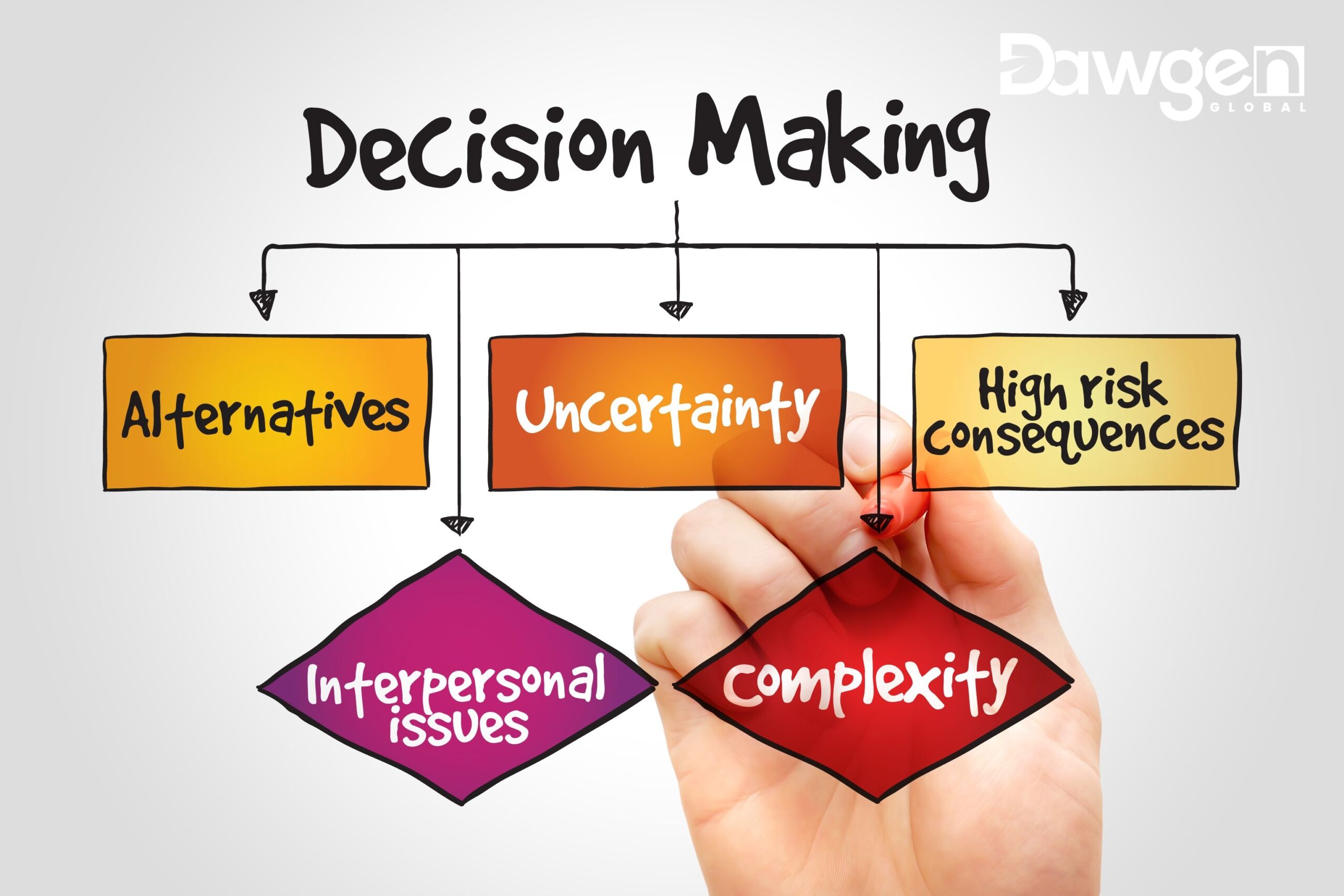
When uncertainty looms, transparency becomes a critical currency in building investor trust. Financial reporting is not just about numbers—it’s about telling the story behind those numbers, especially when the organization’s ability to continue as a going concern comes into question.
With IFRS updates and heightened scrutiny from stakeholders, boilerplate disclosures are no longer acceptable. Today’s users expect clarity, context, and candor—especially in times of risk. This article explores why material uncertainty matters, the key disclosure requirements under IAS 8, and practical steps for crafting meaningful, principle-based disclosures.
Why Material Uncertainty Matters
Material uncertainty refers to conditions or events that may cast significant doubt on an entity’s ability to continue as a going concern. When these uncertainties exist, they impact investor decisions, creditor confidence, and market perception.
IAS 8 requires management not only to assess going concern but also to communicate the basis of that decision clearly. Disclosures should answer the real questions users have:
-
What conditions create doubt about the company’s ability to operate?
-
How realistic are management’s mitigation plans?
-
What assumptions underpin the forecasts and judgments?
This level of transparency is vital because stakeholders can accept uncertainty—but they cannot accept being left in the dark.
The Key Disclosure Requirements
IAS 8 provides a principle-based framework that emphasizes relevance over rote compliance. The three pillars of disclosure are:
1. Material Uncertainties (Paragraph 6K)
Entities must disclose:
-
Events or conditions that may cast significant doubt on going concern.
-
The nature of these uncertainties and how they affect the entity.
2. Significant Judgements (Paragraph 27G)
Where management concludes:
-
No material uncertainties exist, but the conclusion involved significant judgment, these judgments must be disclosed.
-
This applies in “close call” scenarios, where users need to understand why management believes the going concern basis remains appropriate.
3. Sources of Estimation Uncertainty (Paragraphs 31A–31I)
Entities should disclose:
-
Assumptions about the future and major sources of estimation uncertainty at the end of the reporting period.
-
The risk of material adjustments within the next financial year.
Practical Tips for Effective Communication
How can finance teams make disclosures meaningful and investor-friendly?
✅ Use Clear, Non-Boilerplate Language
Avoid vague statements like “Management believes the company will continue as a going concern.” Instead, explain the “why” with context:
“While demand for our services declined by 15% in Q4, the company secured a three-year financing facility in January, mitigating liquidity risk.”
✅ Align Assumptions Across the Financial Statements
Ensure that assumptions used in going concern assessments are consistent with other areas, such as impairment testing or cash flow forecasts.
✅ Provide Sensitivity Analysis Where Relevant
If small changes in assumptions (e.g., interest rates, sales growth) could significantly alter the outcome, disclose this. It demonstrates transparency and proactive risk management.
✅ Frame Disclosures in a Forward-Looking Narrative
Investors want to know what’s next. Highlight mitigation strategies, progress on turnaround plans, or refinancing efforts.
Common Pitfalls to Avoid
-
Generic Disclosures: Copy-paste language adds no value and signals poor governance.
-
Inconsistency Across Reports: Disclosures that conflict with risk sections or MD&A erode credibility.
-
Omitting Judgement Transparency: In close calls, failing to disclose significant judgments raises red flags for regulators and investors.
Transparency Builds Confidence
In today’s reporting landscape, transparency is more than compliance—it’s a strategic tool. Clear, relevant disclosures during periods of uncertainty enhance investor trust, support governance integrity, and align with the spirit of IFRS principles.
As IFRS 18 and ISA 570 (Revised 2024) take effect in the coming years, finance leaders must act now:
-
Review current disclosure templates to eliminate boilerplate language.
-
Train finance teams on judgment-based disclosure requirements.
-
Engage auditors early to ensure alignment with best practices.
The question isn’t whether uncertainties exist—it’s how effectively you communicate them.
Next Step!
“Embrace BIG FIRM capabilities without the big firm price at Dawgen Global, your committed partner in carving a pathway to continual progress in the vibrant Caribbean region. Our integrated, multidisciplinary approach is finely tuned to address the unique intricacies and lucrative prospects that the region has to offer. Offering a rich array of services, including audit, accounting, tax, IT, HR, risk management, and more, we facilitate smarter and more effective decisions that set the stage for unprecedented triumphs. Let’s collaborate and craft a future where every decision is a steppingstone to greater success. Reach out to explore a partnership that promises not just growth but a future beaming with opportunities and achievements.
✉️ Email: [email protected] 🌐 Visit: Dawgen Global Website
📞 Caribbean Office: +1876-6655926 / 876-9293670/876-9265210 📲 WhatsApp Global: +1 876 5544445
📞 USA Office: 855-354-2447
Join hands with Dawgen Global. Together, let’s venture into a future brimming with opportunities and achievements


