Mon - Sat8.00 - 18.00 Sunday CLOSED
OfficesDawgen Towers, 47-49 Trinidad Terrace, Kingston 5, Jamaica
info@dawgen.global
(876) 926-5210

Artificial intelligence (AI) continues to revolutionize the business world. Organizations across the globe are increasingly integrating AI into their business models and strategies. However, the real potential of AI lies beyond simple integration. The most successful businesses are those using AI not just as a tool, but as an integral factor in improving their Key Performance Indicators (KPIs) or even creating new ones.
In the dynamic, ever-evolving world of commerce, the concept of 'brand' has proven to be a consistent and potent force. However, to truly understand and harness its power, we must first recognize that a brand is more than just a logo, a catchy tagline, or a vibrant color scheme.
Blockchain technology, known mainly for being the underlying foundation of cryptocurrencies, is emerging as a powerful technological force across various industries. Its robust and transparent nature has led to its adaptation in finance, supply chain, healthcare, and real estate. These industries are leveraging blockchain for transaction processing, record management, identity verification, and proving provenance.

As blockchain technology continues its steady march towards ubiquity, there's no better time to delve into its inner workings, dispel some myths, and evaluate its far-reaching potential. In the words of Dr. Dawkins Brown, Executive Chairman of Dawgen Global, "Blockchain has the potential to revolutionize our industries and society at large, much like the internet did a few decades ago."
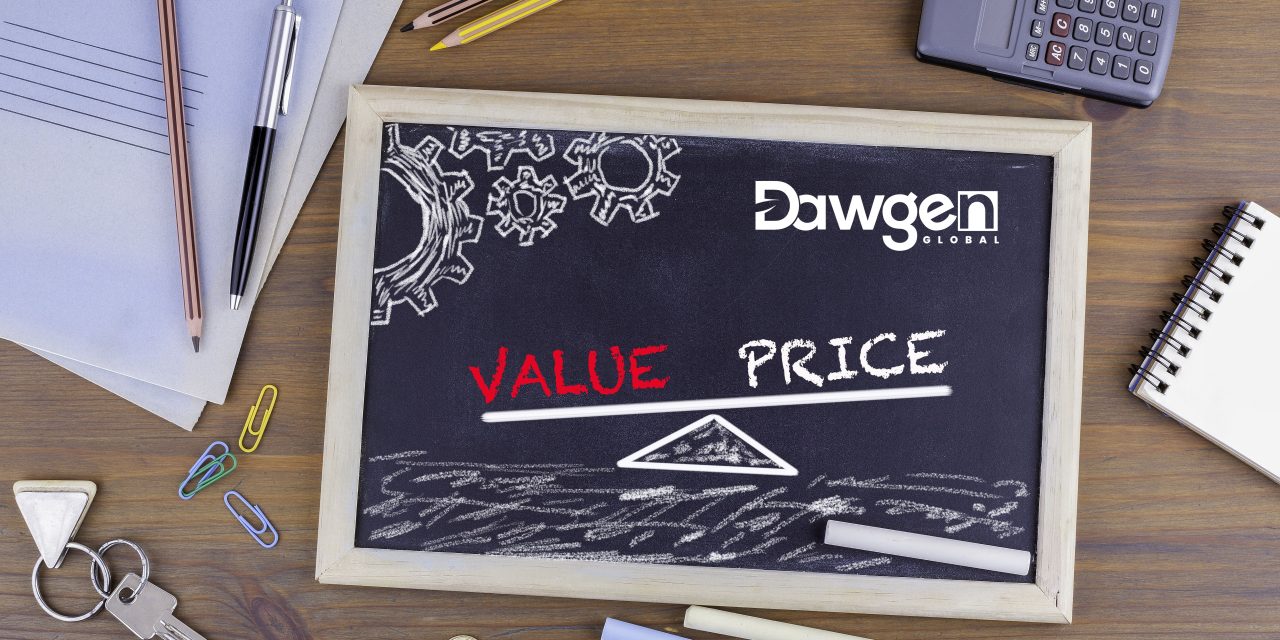
Quality is the cornerstone of successful business operation, driving customer satisfaction, enhancing brand reputation, and impacting the bottom line. The Cost of Quality (COQ) represents a critical aspect that must be understood, tracked, and managed in order to maintain competitive edge. Dr. Dawkins Brown, the executive chairman of Dawgen Global, has succinctly stated, "Investing in quality is not a cost but a strategic path to growth, efficiency, and long-term profitability."
Organizational Culture, often referred to as Corporate Culture or Company Culture, is more than just a buzzword. It's the pulse and personality of the organization. It's the unique blend of shared beliefs, values, habits, and philosophies that sets one company apart from another.
In today's fast-paced and ever-evolving business environment, one asset stands out as crucial to an organization's success: its employees. More than ever before, the vitality and resilience of an organization are hinged on how well it manages its human resources. One key tool to ensuring this is the Performance Management System (PMS), an effective means to align individual goals with organizational objectives.
With the paradigm of production mastery no longer conferring a competitive edge, businesses across the globe have been thrown into a new contest: the race of Innovation. In a rapidly evolving global marketplace, the ability to adapt, to change, and to innovate holds the key to ensuring growth, sustainability, and competitiveness. However, understanding and mastering the process of innovation remains a complex challenge for many organizations.
Dawgen Global is an integrated multidisciplinary professional service firm in the Caribbean Region. We are integrated as one Regional firm and provide several professional services including: audit, accounting, tax, IT, risk, HR, performance, M&A, corporate recovery and other advisory services
© 2026 Copyright Dawgen Global. All rights reserved. · Privacy Notice · Cookie Policy · Website Terms · Accessibility
Where to find us?

Stay ahead of Caribbean business
Receive our latest insights on tax, regulation, technology and the economy across the region.