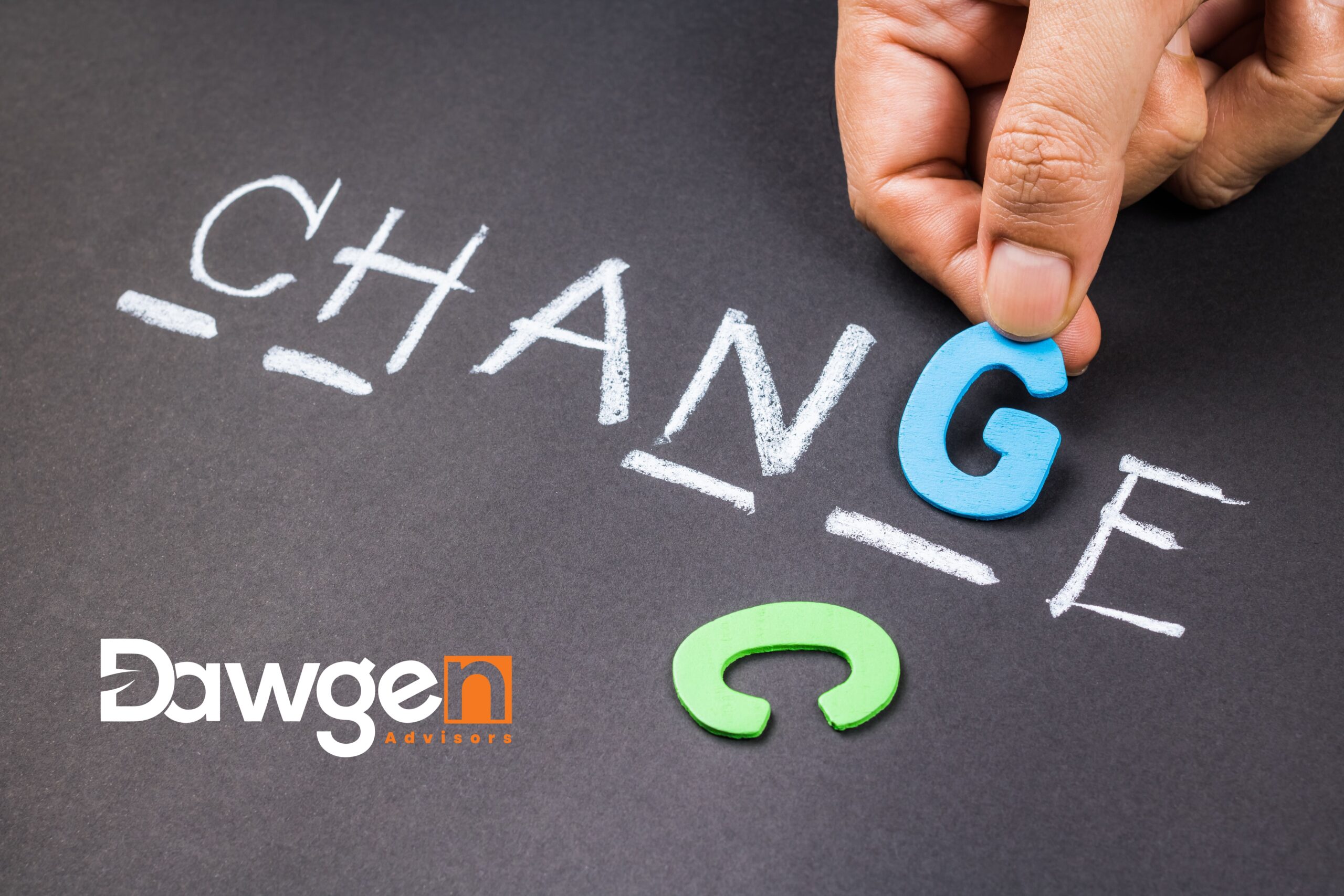
Implementing change during disruption is a major challenge but sustaining that change is even harder. Many organizations make bold moves in the early stages of a crisis, only to see momentum fade once the immediate threat passes. Strategic initiatives lose steam, behaviors revert to old norms, and hard-earned progress evaporates.
The root cause of these failures often lies not in strategy or structure, but in culture. As management thinker Peter Drucker famously observed, “Culture eats strategy for breakfast.” No matter how well-designed a strategy may be, it will falter if the organization’s culture does not support it.
In this fourth installment of Dawgen Global’s thought leadership series on Managing Disruption, we explore why cultural transformation is essential for sustaining change, how leaders can drive it, and the practices that embed resilience into organizational DNA.
Why Culture Matters in Disruption
Disruption compels organizations to make structural changes—new operating models, reorganized teams, or digital transformation initiatives. But unless those changes are supported by new values, behaviors, and mindsets, they rarely stick.
Culture defines:
-
How decisions are made. Is authority centralized or decentralized?
-
How risks are perceived. Do employees embrace experimentation or fear mistakes?
-
How employees behave. Are they proactive and customer-focused, or defensive and inward-looking?
When culture is aligned with strategy, organizations gain agility, innovation, and resilience. When misaligned, even the best-designed structures collapse under inertia.
The Challenges of Cultural Transformation
Changing culture is harder than redesigning structures for three reasons:
-
Deeply ingrained habits. Culture is built over years, often unconsciously.
-
Resistance to change. Employees may feel attached to “the way things are.”
-
Intangibility. Unlike structure, culture is not visible in org charts—it manifests in behaviors and mindsets.
This makes cultural transformation a long-term endeavor that requires persistence, role modeling, and reinforcement at every level.
The CEO’s Role in Cultural Change
Culture change must start at the top. Leaders cannot simply announce new values—they must demonstrate them consistently. The CEO and senior executives must:
-
Model desired behaviors. For example, if agility is a priority, leaders must act quickly and empower teams.
-
Engage at multiple levels. Regular dialogue with employees ensures feedback flows upward and commitment flows downward.
-
Clarify expectations. Leaders must define what behaviors are required and what will no longer be tolerated.
-
Align incentives. Rewards and recognition must reinforce desired behaviors.
Employees look to leaders as examples. When leadership behavior contradicts the “new culture,” transformation fails.
Principles of Sustaining Cultural Transformation
-
Behavior First, Language Later
-
Announcing new values without demonstrating them creates cynicism.
-
Behavior changes should be visible before slogans or posters.
-
-
Embed Culture into Daily Practices
-
Integrate cultural values into recruitment, onboarding, performance management, and promotions.
-
Ensure everyday decisions reflect the desired culture.
-
-
Create Feedback Loops
-
Encourage employees to voice concerns and suggestions.
-
Adapt cultural initiatives based on real experiences, not just top-down directives.
-
-
Celebrate Cultural Champions
-
Recognize employees who embody the new values.
-
Share their stories to inspire others.
-
-
Sustain Momentum Through Storytelling
-
Leaders should repeatedly communicate why cultural change matters.
-
Narratives of success reinforce belief in the new way forward.
-
Case Studies in Cultural Transformation
Microsoft’s “Growth Mindset”
Under Satya Nadella, Microsoft shifted from a culture of internal competition to one of collaboration and learning. By modeling humility and curiosity, Nadella embedded a growth mindset across the company. This cultural reset sustained Microsoft’s digital transformation and fueled its resurgence.
Southwest Airlines’ People-First Culture
For decades, Southwest has sustained its success by embedding a culture of employee empowerment and customer care. Even during industry disruptions, its people-first culture has sustained resilience and profitability.
Wells Fargo’s Cultural Missteps
In contrast, Wells Fargo’s sales-driven culture prioritized short-term metrics over ethics. When disruption struck, these cultural flaws amplified misconduct, leading to reputational and financial damage. This shows how toxic cultures can undermine organizations during crises.
Linking Culture and Organizational Design
Cultural transformation and organizational design must reinforce each other. For example:
-
If strategy demands agility, structures must be decentralized, and culture must reward initiative.
-
If strategy emphasizes innovation, structures must enable cross-functional collaboration, and culture must tolerate failure as part of learning.
Change sticks only when structure and culture are mutually reinforcing.
Dawgen Global’s Approach to Cultural Transformation
At Dawgen Global, we help organizations sustain change by embedding cultural transformation into every aspect of the business. Our services include:
-
Cultural Diagnostics – assessing current mindsets, behaviors, and values.
-
Leadership Coaching – equipping executives to role-model desired behaviors.
-
Employee Engagement Programs – fostering grassroots participation in change.
-
Incentive Alignment – ensuring rewards reinforce new cultural norms.
-
Change Monitoring – tracking progress through surveys, feedback loops, and performance data.
By combining global best practices with Caribbean business realities, Dawgen Global enables leaders to create cultures that withstand disruption and fuel long-term growth.
Conclusion
Sustaining change is not just about processes—it is about people. Structural reforms may launch transformation, but cultural change ensures it endures. Leaders who embed resilience into their organization’s DNA create businesses that adapt, innovate, and thrive long after the disruption has passed.
The challenge is immense, but the rewards are greater. With the right cultural transformation, disruption becomes less of a threat and more of an opportunity for reinvention.
📞 Culture is the Heart of Resilience
At Dawgen Global, we help leaders sustain change by embedding cultural transformation into the core of their organizations.
👉 Request your FREE consultation and proposal today via WhatsApp: +1 555 795 9071
About Dawgen Global
“Embrace BIG FIRM capabilities without the big firm price at Dawgen Global, your committed partner in carving a pathway to continual progress in the vibrant Caribbean region. Our integrated, multidisciplinary approach is finely tuned to address the unique intricacies and lucrative prospects that the region has to offer. Offering a rich array of services, including audit, accounting, tax, IT, HR, risk management, and more, we facilitate smarter and more effective decisions that set the stage for unprecedented triumphs. Let’s collaborate and craft a future where every decision is a steppingstone to greater success. Reach out to explore a partnership that promises not just growth but a future beaming with opportunities and achievements.
✉️ Email: [email protected] 🌐 Visit: Dawgen Global Website
📞 📱 WhatsApp Global Number : +1 555-795-9071
📞 Caribbean Office: +1876-6655926 / 876-9293670/876-9265210 📲 WhatsApp Global: +1 5557959071
📞 USA Office: 855-354-2447
Join hands with Dawgen Global. Together, let’s venture into a future brimming with opportunities and achievements


