

In many Caribbean boardrooms, performance and risk live in different meetings. The performance discussion happens in the main board session, built around the financial results and the business plan. The risk discussion happens in the audit or risk committee, built around the risk register, internal audit findings and regulatory correspondence. The two conversations rarely meet, and when they do, it is usually because something has gone wrong.
This separation is a mistake. Governance quality, compliance, risk within appetite and resilience are not constraints on performance; they are part of it. An organisation that hits its profit target while accumulating unresolved audit findings, breaching its risk appetite or neglecting its continuity planning has not performed well. It has borrowed against its future.
The fourth dimension of CARIMETRIX™, D4 Stewardship, Risk & Sustainability, brings these matters onto the same scorecard as revenue and customers. Its board question is direct: are we well governed, compliant, resilient and responsible? This article explains how to measure stewardship in a way that is objective, timely and useful, and why the Caribbean’s exposure to shocks makes this dimension indispensable.
What stewardship covers
D4 groups five related families of performance.
Governance is the quality of oversight and decision-making: how well the board and its committees function, whether information reaches them in time, and whether decisions are taken and followed through.
Compliance is the organisation’s record in meeting its legal, regulatory, tax and contractual obligations, on time and without breach.
Risk is the extent to which the organisation operates within the risk appetite its board has approved, and how effectively it identifies and controls the risks that matter most.
Resilience is the ability to absorb and recover from disruption, whether a hurricane, a cyber incident, a supplier failure or an economic shock.
ESG (environmental, social and governance) performance is the organisation’s impact on the environment and communities, and the quality of its responsible-business practices, increasingly expected by lenders, investors, regulators and customers.
The five indicator families of D4
| Family | Lagging measures (results) | Leading measures (early warning) |
| Governance | Board evaluation score; audit findings by rating | Board pack timeliness; committee attendance; overdue board actions |
| Compliance | Regulatory breaches and penalties; filing timeliness | Compliance calendar status; open regulatory actions |
| Risk | Losses against appetite; key risk indicators outside tolerance | Control testing coverage; overdue risk actions |
| Resilience | Recovery time after disruption; insured versus uninsured loss | BCP (business continuity plan) test results; supplier concentration |
| ESG | Energy and water use per unit; community investment | Renewable energy share; ESG data coverage |
The value of the leading column is especially clear in D4. A regulatory penalty, a major loss or a failed recovery is a lagging event that is usually preceded by visible warnings: filings slipping towards deadlines, controls going untested, risk actions overdue, continuity tests postponed. A scorecard that shows these signals gives the board the chance to act before the event.
Making stewardship measurable
Stewardship is often treated as qualitative, assessed through narrative reports and committee discussion. Narrative has its place, but without measures it is hard to tell whether governance is improving or deteriorating. CARIMETRIX converts the main elements of stewardship into objective indicators.
Audit and regulatory findings by age and rating. The number of open findings matters less than how long they have been open and how serious they are. A measure of high-rated findings open beyond their agreed remediation date is one of the most informative governance indicators a board can watch.
Statutory and regulatory filing timeliness. The share of filings submitted on or before the due date is simple to measure and reveals a great deal about the health of the finance and compliance functions.
Key risk indicators. For each principal risk, the board approves a measurable indicator and a tolerance. Liquidity ratios, concentration limits, system availability, staff turnover in critical roles and fraud losses are common examples. The D4 measure is the number of indicators outside tolerance, with each breach owned and explained.
Control testing coverage. The share of key controls tested in the period, and the share found effective, tell the board whether its control environment is assured or merely assumed.
Recovery time. After any significant disruption, the time taken to restore critical processes is measured against the target recovery time set in the continuity plan.
Risk appetite as a performance boundary
The most important link between D4 and the rest of the scorecard is risk appetite. Every target in D1, D2 and D3 is pursued within the risk appetite the board has approved. Growth targets must respect concentration and credit limits. Cost targets must not erode controls. Speed targets must not bypass compliance checks.
CARIMETRIX makes this link explicit in two ways. First, the strategy map records risk appetite alongside the objectives at Step M2, so every objective is set within it. Second, counter-measures on the KPI Definition Cards often come from D4: a loan growth target is paired with early delinquency; a cost-reduction target is paired with control test results; a faster onboarding process is paired with compliance exceptions. In this way, stewardship is not a separate scorecard but the guard-rails around the whole performance system.
The D4 trap: compliance theatre
The risk in measuring stewardship is that organisations optimise the measure rather than the substance. Findings are closed on paper before the underlying issue is fixed. Continuity tests are run as desk exercises that prove little. Board evaluations become box-ticking. CARIMETRIX guards against compliance theatre in three ways: findings are closed only when the closure is validated, by internal audit where one exists; resilience measures are based on actual recovery performance or realistic tests; and D4 data is subject to the same data quality grading as financial data, so measures based on self-assessment are visibly flagged.
Caribbean realities in measuring stewardship
Climate and natural hazards. Hurricanes, flooding and drought are recurring rather than exceptional events in the region. Recovery time, insured versus uninsured loss and the currency of continuity plans deserve a permanent place on Caribbean scorecards.
Regulatory change. Financial regulation, anti-money laundering obligations, data protection laws and reporting standards are evolving across the region. A compliance calendar with a measure of its status keeps the board ahead of new obligations rather than reacting to them.
Concentration risk. Small markets create concentration in customers, suppliers, funders, insurers and key people. Concentration measures belong in D4 because they define how vulnerable the organisation is to a single failure.
Public accountability. For public bodies and statutory corporations, timely audited accounts, corporate governance compliance and responses to oversight bodies are central measures of stewardship, and are increasingly visible to citizens and the media.
A worked illustration
Consider an illustrative credit union whose board receives strong financial results but a growing list of internal audit findings, reported once a year in a long narrative. A CARIMETRIX review introduces four D4 measures: high-rated findings past their remediation date, regulatory filings submitted on time, key risk indicators outside tolerance, and the date of the last successful continuity test.
In the first quarter the scorecard shows eleven high-rated findings past their due date, three of them more than a year old, and a continuity plan last tested before the most recent hurricane season. None of this was hidden, but none of it had been visible in a form that demanded action. Under CARIMETRIX decision rights, the overdue findings measure is red for two consecutive periods, triggering an executive root cause review. The review finds that remediation owners were never formally assigned. Within two quarters, every finding has a named owner and a validated plan, and the continuity plan has been tested in a realistic exercise. The board’s confidence in its control environment now rests on evidence rather than assurance.
Eight questions for the board
- Do performance and risk appear on the same scorecard, or in separate meetings?
- How many high-rated findings are open beyond their remediation date?
- What share of our statutory and regulatory filings were on time this period?
- Which key risk indicators are outside tolerance, and who owns each breach?
- What share of our key controls were tested, and how many were effective?
- How quickly did we recover after our last significant disruption?
- Are our growth and cost targets set within our approved risk appetite?
- Is our stewardship data graded for quality like our financial data?
The CARIMETRIX–CARIVANCE™ framework in full
Dawgen Global’s CARIMETRIX–CARIVANCE™ Performance System joins measurement and improvement in a single loop. CARIMETRIX™ shows leadership where performance stands and why it matters. CARIVANCE™ turns the gaps that CARIMETRIX reveals into funded, owned and verified improvements. A governance layer turns information into decisions, and a set of enablers (graded data, dashboards, trained owners and assurance) keeps the loop turning year after year.
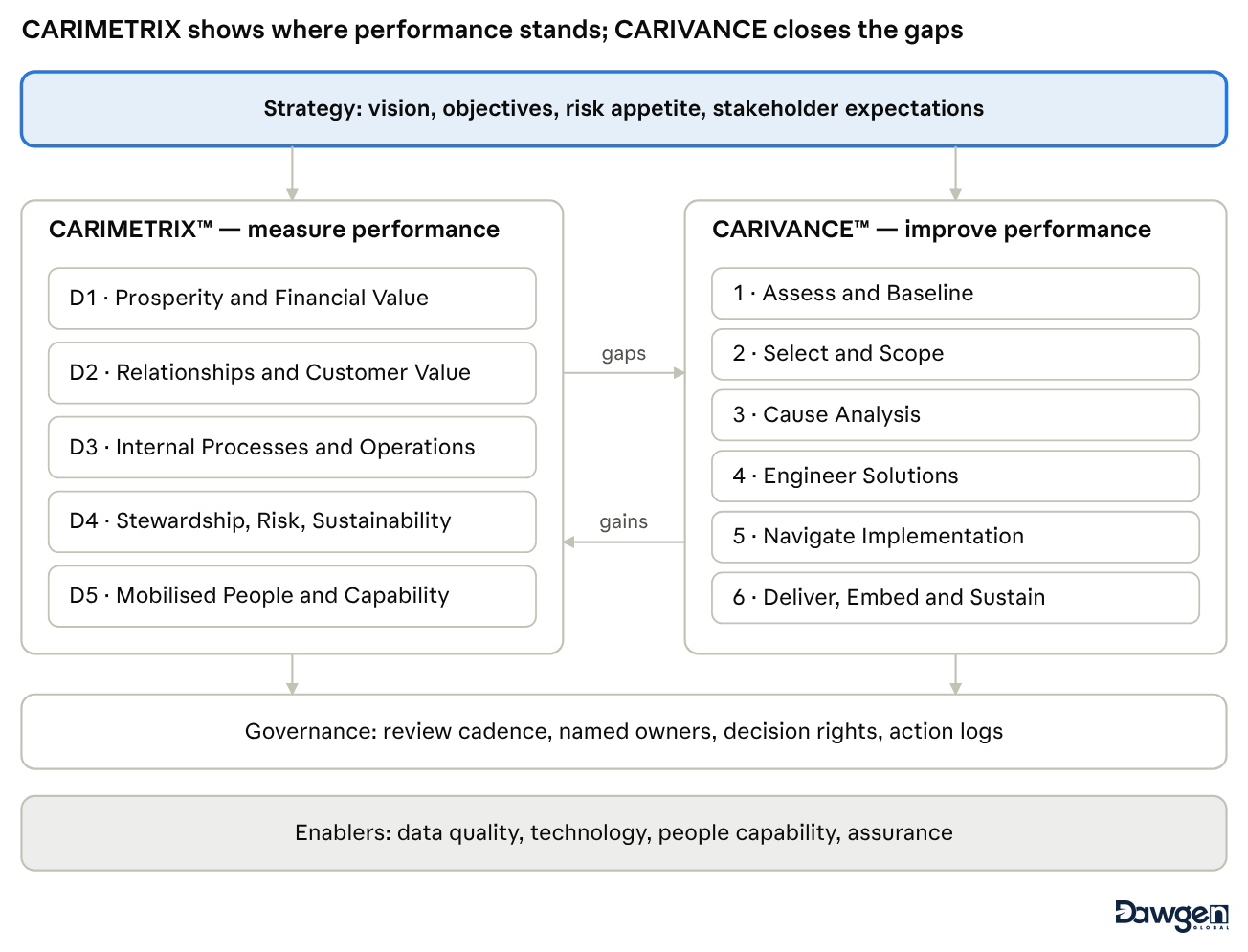
Exhibit 1 · The CARIMETRIX–CARIVANCE™ architecture
CARIMETRIX™: five dimensions of performance
| Code | Dimension | The board question it answers | Typical scorecard weight |
| D1 | Prosperity & Financial Value | Are we creating sustainable financial value? | 25–35% |
| D2 | Relationships & Customer Value | Are customers, members, citizens and partners better served? | 15–25% |
| D3 | Internal Processes & Operational Excellence | Are our processes efficient, reliable and cost-effective? | 15–25% |
| D4 | Stewardship, Risk & Sustainability | Are we well governed, compliant, resilient and responsible? | 10–20% |
| D5 | Mobilised People & Capability | Do we have the people, skills, culture and technology to deliver? | 10–20% |
The dimensions form a cause-and-effect chain read from the bottom up: capable people and systems (D5) enable excellent processes (D3) and sound stewardship (D4); these deliver valued relationships (D2), which in turn produce sustainable financial value (D1). Weights are calibrated to each organisation: a public body or charity shifts weight towards D2 and D4, while a business in turnaround shifts weight towards D1 and D3.
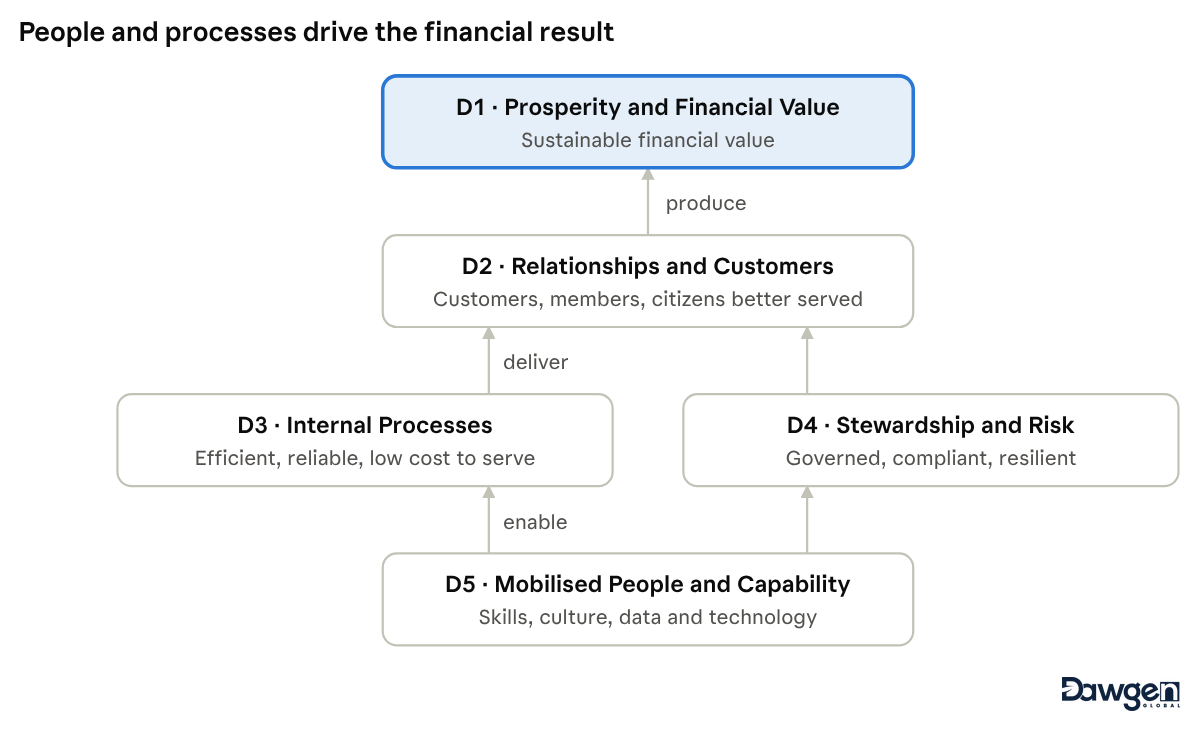
Exhibit 2 · The CARIMETRIX™ value linkage
Building the measurement system: eight steps
- M1 Mandate and strategic clarity — executive and board interviews and a health check of every existing measure.
- M2 Strategy mapping — 12–20 objectives across the five dimensions, with their cause-and-effect links.
- M3 Measure selection — candidate measures tested against seven tests: strategic, decision, controllable, measurable, understandable, timely and ungameable.
- M4 KPI definition — every key performance indicator (KPI) defined on a card recording its formula, source, owner, polarity, thresholds and a counter-measure against gaming.
- M5 Baselining and target setting — 12–36 months of history where available, and targets set by one of five documented methods: historical trend, benchmark, capability-based, strategic requirement, or stretch with a glide path.
- M6 Data and reporting architecture — data flows mapped, data quality graded from A to D, dashboards and board packs designed.
- M7 Cascade — the enterprise scorecard translated into divisional, process and team scorecards.
- M8 Governance and go-live — review cadence installed, two parallel reporting cycles run and owners trained.
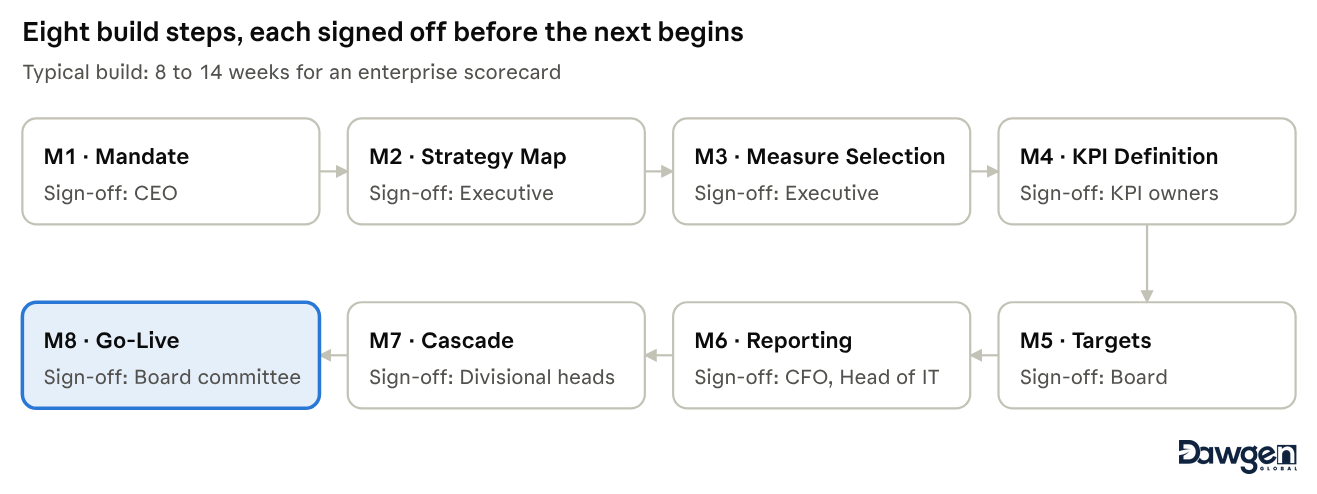
Exhibit 3 · Building the measurement system: steps M1–M8
A typical enterprise scorecard holds 15 to 25 measures. Every lagging outcome is paired with at least one leading indicator that predicts it. Each measure is scored from 0 to 100 against its thresholds: 100 at or beyond target, 50 at the edge of tolerance, and proportionally between. Scores roll up into five dimension scores and a single weighted CARIMETRIX Index, reported to the board with the trend and the data quality grade behind each figure. Grade A means system-generated, reconciled and independently reviewed; grade D means manual, unreconciled or estimated. Only grade A or B measures may drive incentive pay.
CARIVANCE™: six gated phases of improvement
| Phase | Core question | The gate that closes it |
| 1 Assess & Baseline | Where exactly are we, and how big is the gap? | Baseline agreed; value at stake quantified |
| 2 Select & Scope | Which gaps are worth closing first? | Charters signed; resources committed |
| 3 Cause Analysis | Why does the gap exist? | Root causes proven by data, not opinion |
| 4 Engineer Solutions | What will close the gap, and is it worth it? | Business case approved; benefits owner named |
| 5 Navigate Implementation | How do we deliver the change on time and on budget? | Solution live; procedures updated; owners trained |
| 6 Deliver, Embed & Sustain | Have the gains been achieved, and will they last? | Benefits verified by Finance; gains held for two cycles |
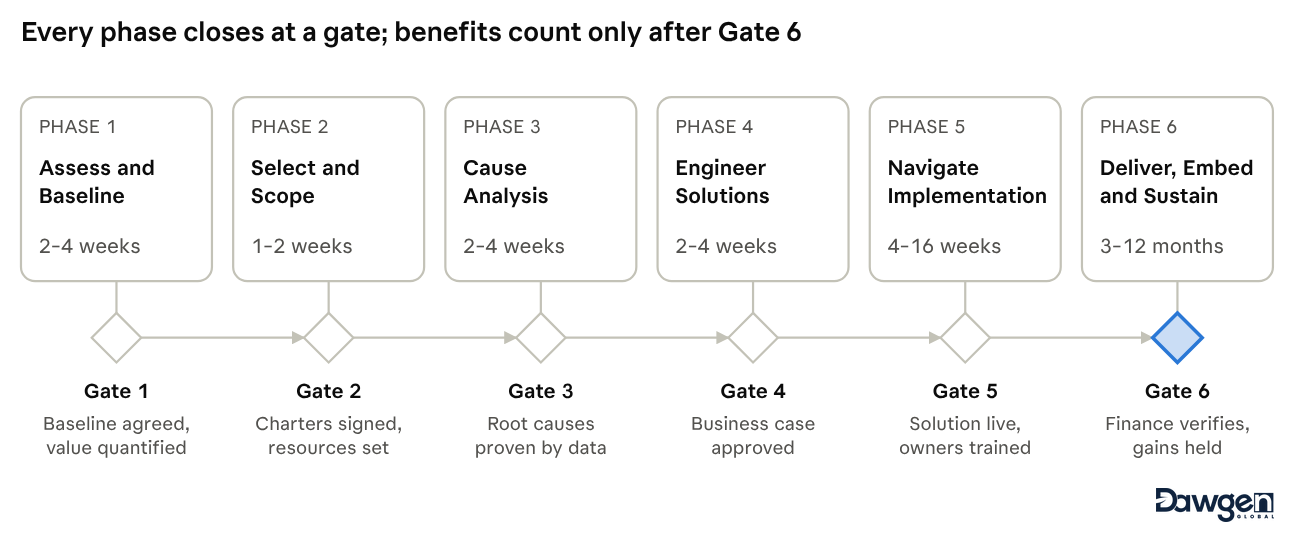
Exhibit 4 · CARIVANCE™ phases and gates
CARIVANCE draws on Lean, the Six Sigma DMAIC (Define, Measure, Analyse, Improve, Control) cycle, theory of constraints and benefits realisation management, adapted for lean Caribbean teams. Improvement runs in waves of three to seven initiatives so that projects finish. Four rules govern benefits: Finance, not the project team, signs off financial benefits; every benefit is classified as cash-releasing, non-cash or risk reduction; a single benefits register prevents double counting; and capacity freed is not counted as savings until it is redeployed or removed.
Governance, people and maturity
Five forums run on a fixed rhythm: the board or strategy committee quarterly; an executive performance review and divisional reviews monthly; a CARIVANCE steering group fortnightly during improvement waves; and team huddles daily or weekly. Every forum keeps an action log. Decision rights are explicit: a measure amber for one period requires owner action; amber for two periods or red for one requires a divisional recovery plan; red for two periods triggers an executive root cause review and becomes a candidate for CARIVANCE; a board measure red for two quarters prompts a formal board review.
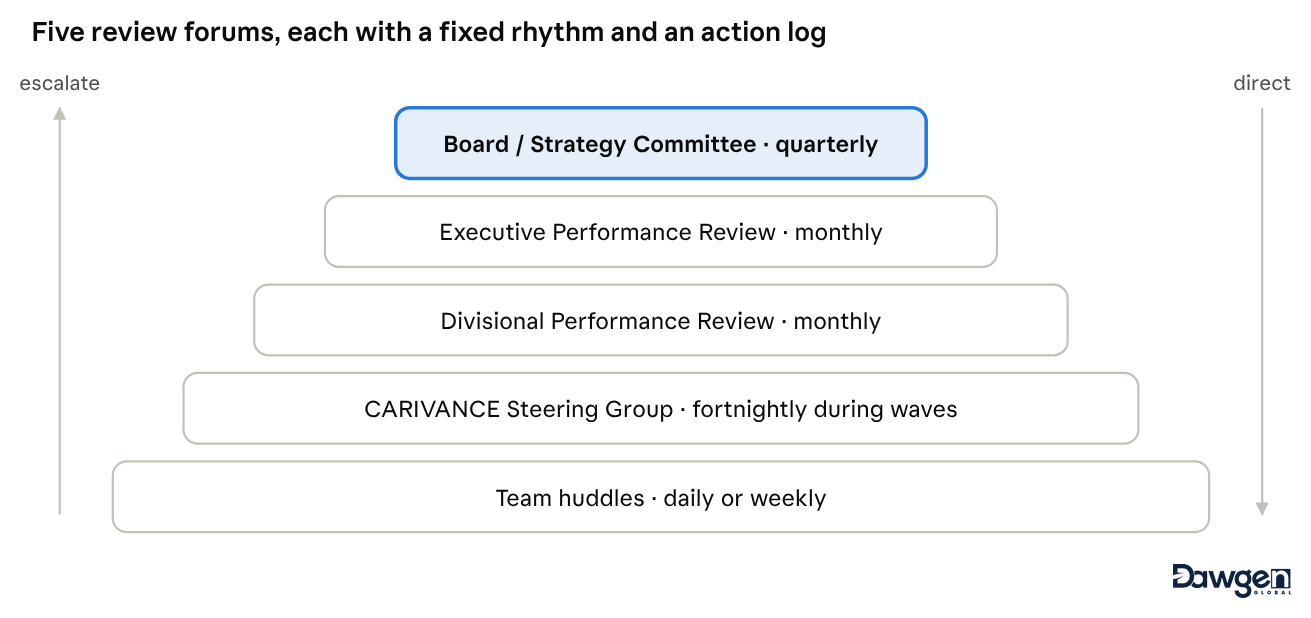
Exhibit 5 · The five review forums
The enterprise scorecard cascades to divisional scorecards, process and team boards, and individual performance agreements that typically weight shared results at 20–40%, individual results at 30–50%, improvement contribution at 10–20% and behaviours at 20–30%. Progress is tracked on a five-level maturity model (Reactive, Developing, Defined, Managed and Optimising) across eight capabilities: strategy linkage, measure design, targets, data and reporting, review and governance, improvement capability, people linkage and assurance. Most organisations begin at Level 1 or 2; a realistic aim is one to two levels within 12 to 18 months. The method is supported by a toolkit of 24 controlled templates, from the Strategic Clarity Interview Guide to the Benefits Tracker and Sustainment Audit.
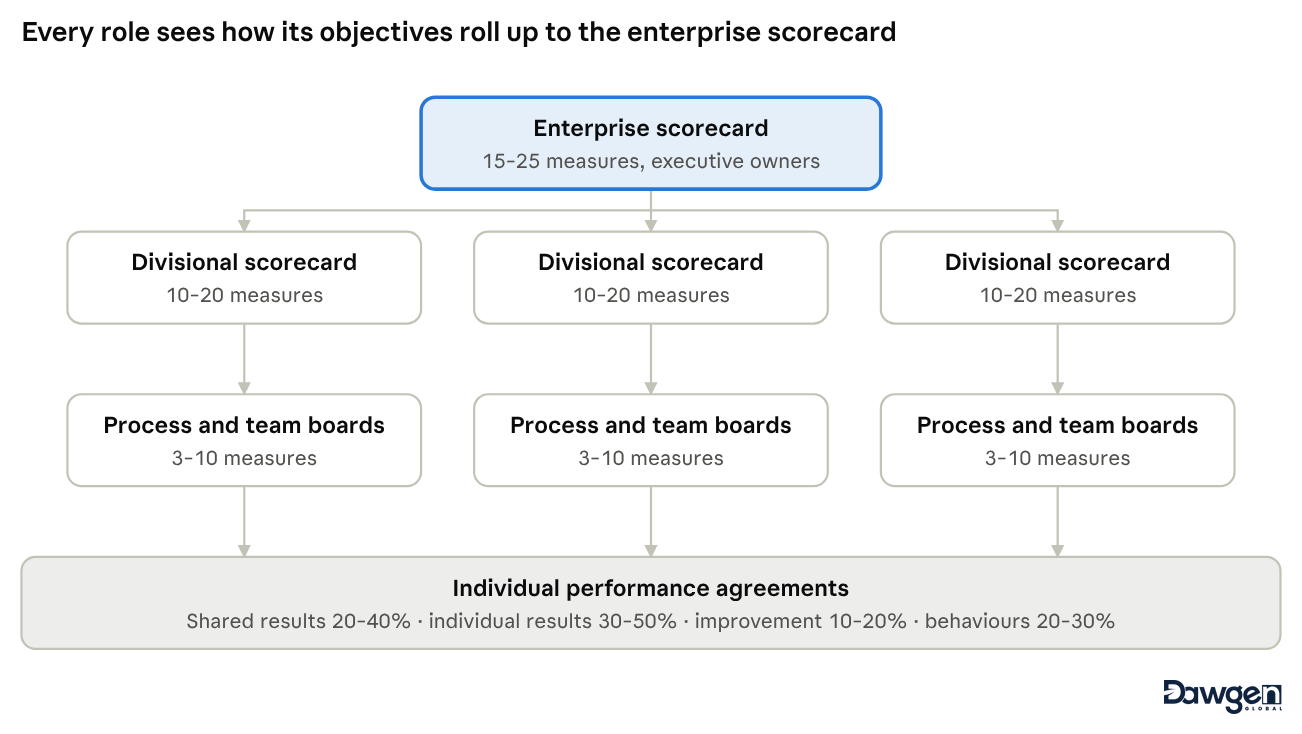 Exhibit 6 · Cascading the scorecard to individuals
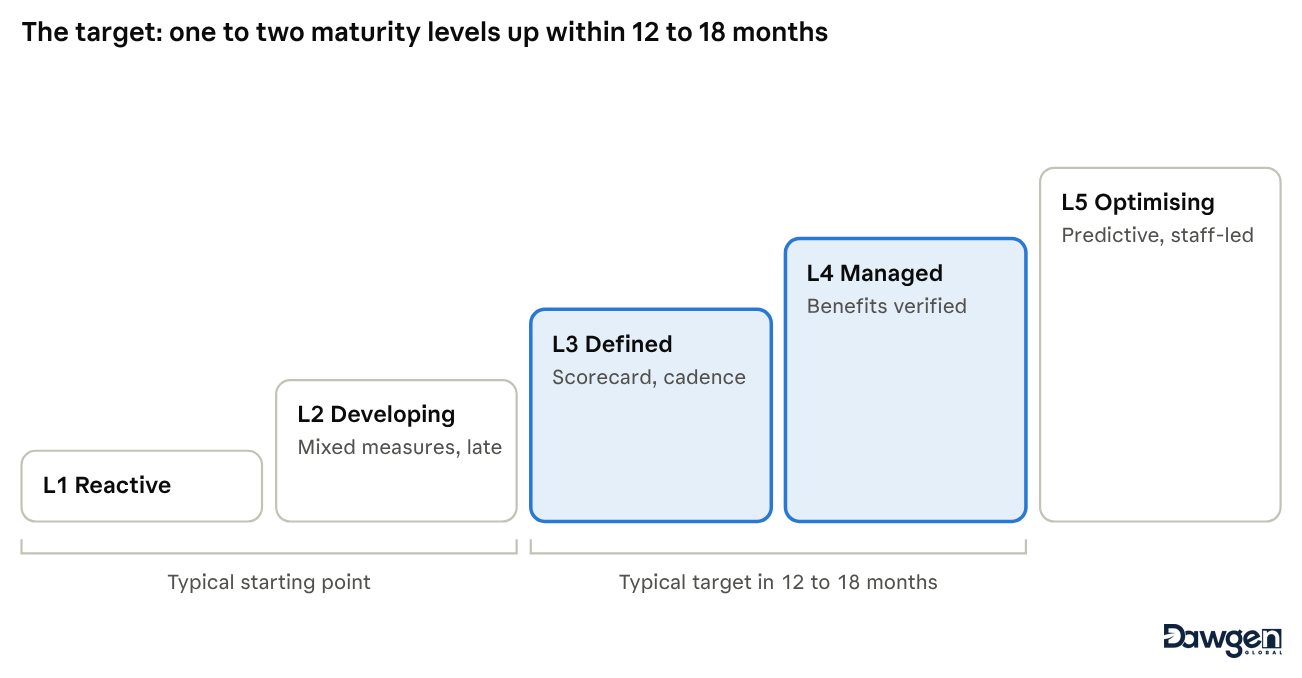 Exhibit 7 · The CARIMETRIX–CARIVANCE™ maturity journey
Design principles and delivery
Six principles govern every CARIMETRIX–CARIVANCE™ engagement. Strategy comes first: every measure traces to a stated objective, and measures without an owner or a decision attached are retired. Measures are few, balanced and decision-grade. Evidence comes before action: no improvement starts without a baseline, and none closes without verified, sustained results. Ownership and cadence are fixed: named owners meet on a set rhythm to review results and commit to dated actions. The system is built for Caribbean reality: thin data, lean teams, multi-territory groups, regulatory demands and exposure to climate and economic shocks. And Dawgen Global owns delivery, then transfers capability: the firm builds the system and completes the improvement work, then trains the client’s team to run it.
Clients can engage through five service modules, individually or as an integrated programme: a Performance Diagnostic (maturity assessment, measurement health check and value-at-stake estimate); a CARIMETRIX Scorecard Build covering steps M1 to M8; a CARIVANCE Improvement Wave of three to seven initiatives taken through all six phases; Performance Reporting as a Service, delivering monthly scorecards and board packs; and Assurance over Performance Information, an independent review of KPI data, definitions and published performance statements. In an indicative integrated programme, measurement is live within about four months and the first verified gains arrive within about nine, because the first improvement wave begins while the scorecard is being finished.
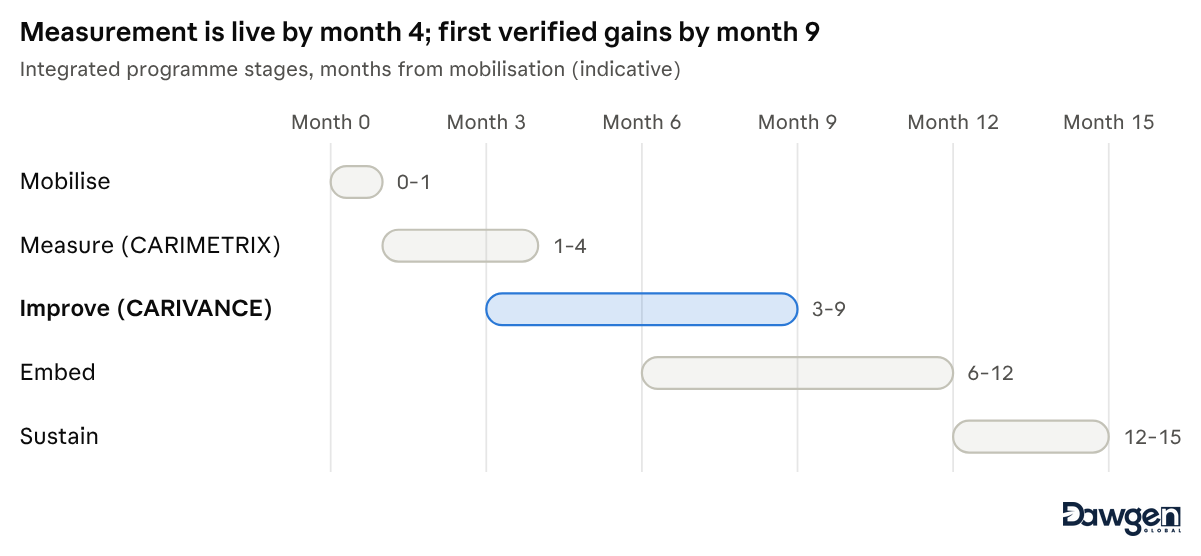
Exhibit 8 · Indicative integrated programme roadmap
Quality controls protect the result: every scorecard measure must trace to an objective; no measure goes live without an approved definition card; each KPI is reconciled to its source for at least two periods; two parallel reporting cycles run before go-live; each CARIVANCE gate is evidenced and signed by the sponsor; Finance signs off financial benefits; and a senior reviewer independent of the delivery team reviews final deliverables. These controls guard against the most common pitfalls: measuring what is easy rather than what matters, targets that drive the wrong behaviour, dashboards nobody uses, too many initiatives at once, solutions chosen before causes are proven, benefits claimed but never banked, and gains that fade once the project team leaves.
Taking the next step
If your board sees risk and performance in separate meetings, your scorecard is missing half the picture. Dawgen Global’s Growth & Recovery and Finance & BPO teams deliver CARIMETRIX–CARIVANCE™ engagements across the Caribbean, beginning with a Performance Diagnostic that assesses maturity, tests the health of current measures and estimates the value at stake. To discuss your organisation’s performance system, write to info@dawgen.global or visit dawgen.global.
Dawgen Global is an independent, integrated multidisciplinary professional services firm serving 35 territories across the Caribbean and the Americas, and is not affiliated with any international network. As a multidisciplinary firm, Dawgen Global offers some regulated services; in each case the head of the regulated division holds the appropriate professional practice licence in the respective jurisdiction. CARIMETRIX™ and CARIVANCE™ are proprietary frameworks of Dawgen Global.
About Dawgen Global
Dawgen Global is an independent, integrated multidisciplinary professional services firm headquartered at 47 Trinidad Terrace, New Kingston, Jamaica, serving 35 territories across the Caribbean. Founded and led by Dr. Dawkins Brown, Executive Chairman, the firm is independent and not affiliated with any international network. It delivers a full suite of professional services under one roof: audit and assurance; tax advisory; IT and digital transformation; risk management; cybersecurity; actuarial and insurance regulatory advisory; HR advisory; mergers and acquisitions; corporate recovery; business advisory and strategy; accounting BPO and virtual CFO services; and legal process outsourcing.
The proposition is simple: big-firm capability without the big-firm price. Dawgen Global’s integrated approach is built for the specific complexities and opportunities of the Caribbean market, helping organizations make sharper, better-informed decisions that drive measurable progress.
To explore a partnership, reach out:
- Website: dawgen.global
- Email: info@dawgen.global
- WhatsApp (Global): +1 555-795-9071
- Caribbean offices: +1 876-665-5926 | +1 876-929-3670 | +1 876-926-5210